
Berlin U-Bahn Guide: Map, Tickets, Lines, Ghost Stations and Best Routes
Berlin’s U-Bahn is the fastest way to move through much of the city centre. It connects Alexanderplatz, Zoo, Stadtmitte, Potsdamer Platz, Museum Island, Kreuzberg, Friedrichstraße and many Cold War sites. This guide explains which lines are useful for visitors, which ticket you need, how AB and ABC zones work and where the U-Bahn still tells Berlin’s divided history.
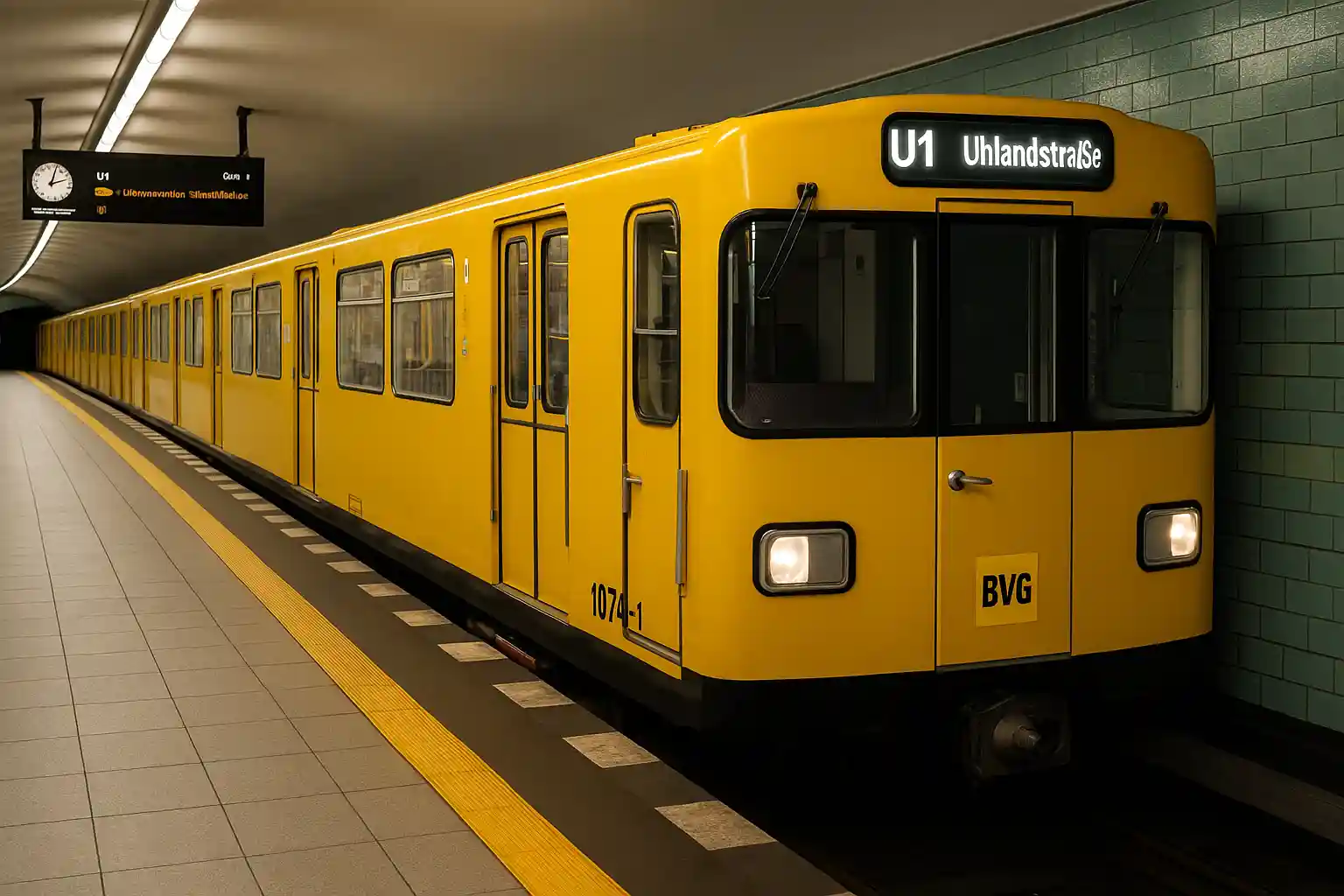
Berlin U-Bahn at a glance
Quick answer
The Berlin U-Bahn is best for fast central movement. Use it for Alexanderplatz, Zoo, Stadtmitte, Potsdamer Platz, Kreuzberg, Friedrichstraße, Unter den Linden and many museum or nightlife routes. For most tourist rides, an AB ticket is enough. Use ABC if your day includes BER Airport, Potsdam or outer-zone travel. U2, U5, U6 and U1/U3 are the easiest U-Bahn lines for most visitors.
Use it for central rides
The U-Bahn is strongest when you move between inner-city stops, main squares, nightlife areas and busy transfer points.
Check the map first
The U-Bahn is only one layer. For some routes, the S-Bahn, tram or bus is faster or more direct.
Notice the history
Some U-Bahn routes still follow lines shaped by Berlin’s division, closed stations and later reunification.
How the Berlin U-Bahn Works
The U-Bahn is part of Berlin’s normal public transport system. One valid ticket covers U-Bahn, S-Bahn, tram and bus within the zones you selected.
Choose the right zone
For most city trips, AB is enough. Choose ABC if your route includes BER Airport, Potsdam or outer-zone travel. App tickets are easiest; paper tickets must be validated before or at the start of travel.
Use the line and direction
U-Bahn platforms show the line number and final destination. Check the direction before going downstairs or crossing to the opposite platform.
Board like local transport
Let passengers exit first, keep doors clear and move inside the carriage. With luggage, avoid blocking the entry area during busy times.
Official sources to check before riding
Berlin U-Bahn Tickets: AB, ABC, WelcomeCard and Validation
You do not need a special U-Bahn ticket. Berlin uses a shared ticket system across U-Bahn, S-Bahn, tram and bus.
AB ticket
Best for most visitor trips inside Berlin. Use AB for normal city routes, central sights, neighborhoods and most U-Bahn rides.
Best for: city travelABC ticket
Needed when your route adds outer-zone travel. Use ABC for BER Airport, Potsdam or wider regional combinations.
Best for: airport and outer zoneBerlin WelcomeCard
Useful if you want transport plus attraction discounts. Choose AB or ABC depending on your trip plan.
Best for: first-time visitorsMuseum Island Card
Useful if you know you want public transport plus Museum Island access during a short Berlin stay.
Best for: museumsBest Berlin U-Bahn Lines for Visitors
You do not need to memorize the whole network. Start with these lines if you want easy, useful routes for sightseeing, neighborhoods and transfers.
Zoo – Potsdamer Platz – Stadtmitte – Alexanderplatz
One of the easiest visitor lines. Useful for western Berlin, Potsdamer Platz, Stadtmitte and Alexanderplatz.
Best for: first-time sightseeingHauptbahnhof – Unter den Linden – Museum Island – Alexanderplatz
Very useful because it connects Berlin Central Station with Unter den Linden, Museum Island and Alexanderplatz.
Best for: central sights and museumsFriedrichstraße, Stadtmitte and Checkpoint Charlie area
A practical north-south line with strong Cold War history around Friedrichstraße, Stadtmitte and the former border area.
Best for: Cold War routesKreuzberg and elevated U-Bahn views
Good for Kreuzberg, Schlesisches Tor and Warschauer Straße. Parts of the route run above ground.
Best for: Kreuzberg and nightlifeWest Berlin, Kreuzberg and Warschauer Straße
Useful together with U1 for the west-east corridor and for reaching the eastern end of Kreuzberg.
Best for: west-east movementGesundbrunnen, Mitte, Kreuzberg and Neukölln
Important for north-south movement and closely connected to the history of ghost stations during Berlin’s division.
Best for: north-south routesGhost Stations: When Trains Passed Through Without Stopping
The U-Bahn is not only a way to move through Berlin. On some lines, it also carries one of the clearest everyday traces of the divided city.
One network through one city
Before the Berlin Wall, underground routes crossed the city as normal transport corridors. The network connected neighborhoods that later became politically divided.
Closed stations under East Berlin
During the division of Berlin, some West Berlin trains passed through stations in East Berlin without stopping. The platforms were closed, dark and guarded.
Routes you can still ride
Today, the lines are open again, but the story remains visible if you travel around Friedrichstraße, Stadtmitte and the old border areas.
Pair it with Cold War sights
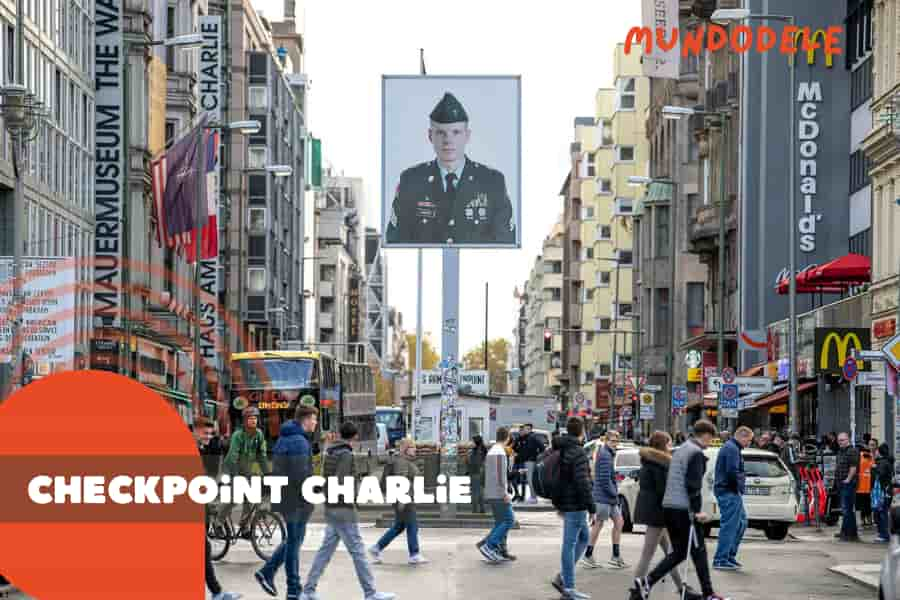
Combine U-Bahn history with Checkpoint Charlie, the DDR Museum or a walk near Friedrichstraße to understand how transport and politics crossed.
The simple way to read this history
If a U-Bahn route feels ordinary today, that is exactly the point: some of these everyday lines were once shaped by closed stations, border controls and a city that could not move freely across itself.
Small-Profile, Large-Profile and Why the U-Bahn Feels Different by Line
Berlin’s U-Bahn does not feel completely uniform. Some lines are older, some trains are narrower, and station design changes from one part of the network to another.
Small-profile lines
U1 to U4 belong to the smaller-profile network. Trains are narrower, and some sections feel older or more compact.
Large-profile lines
U5 to U9 belong to the larger-profile network. Trains and tunnels are wider, and many routes feel more like a modern metro system.
Yellow trains, tiles and patterns
Yellow trains, patterned seats, station tiles and older platform details make the U-Bahn feel like part of Berlin’s visual identity.
U-Bahn vs S-Bahn vs Tram vs Bus
Berlin has several transport layers. The U-Bahn is excellent, but it is not always the fastest or most direct choice.
Common U-Bahn Mistakes in Berlin
Most U-Bahn problems are simple. They come from the wrong zone, the wrong direction or choosing the wrong transport layer for the route.
Buying ABC when AB is enough
Most inner-city U-Bahn rides only need AB. Use ABC for BER Airport, Potsdam or outer-zone travel.
Fix: check the zone before buyingForgetting validation
Paper tickets must be stamped. A valid-looking ticket without validation can still be a problem.
Fix: stamp before ridingTaking the right line in the wrong direction
Line numbers are not enough. Always check the final destination shown on the platform.
Fix: confirm the directionIgnoring live disruptions
Construction and service changes happen. The printed map is useful, but live information is better.
Fix: check BVG live departuresUsing U-Bahn for every long route
For longer distances, the S-Bahn is often faster. The U-Bahn is strongest for central city movement.
Fix: compare route timeBlocking doors with luggage
U-Bahn trains can be busy. Keep doors and aisles clear, especially at major transfer stations.
Fix: move into the carriageUseful BerlinWanderlust Transport Guides
Use these guides together. Berlin works best when you combine U-Bahn, S-Bahn, tram, bus and the network map instead of relying on one mode.
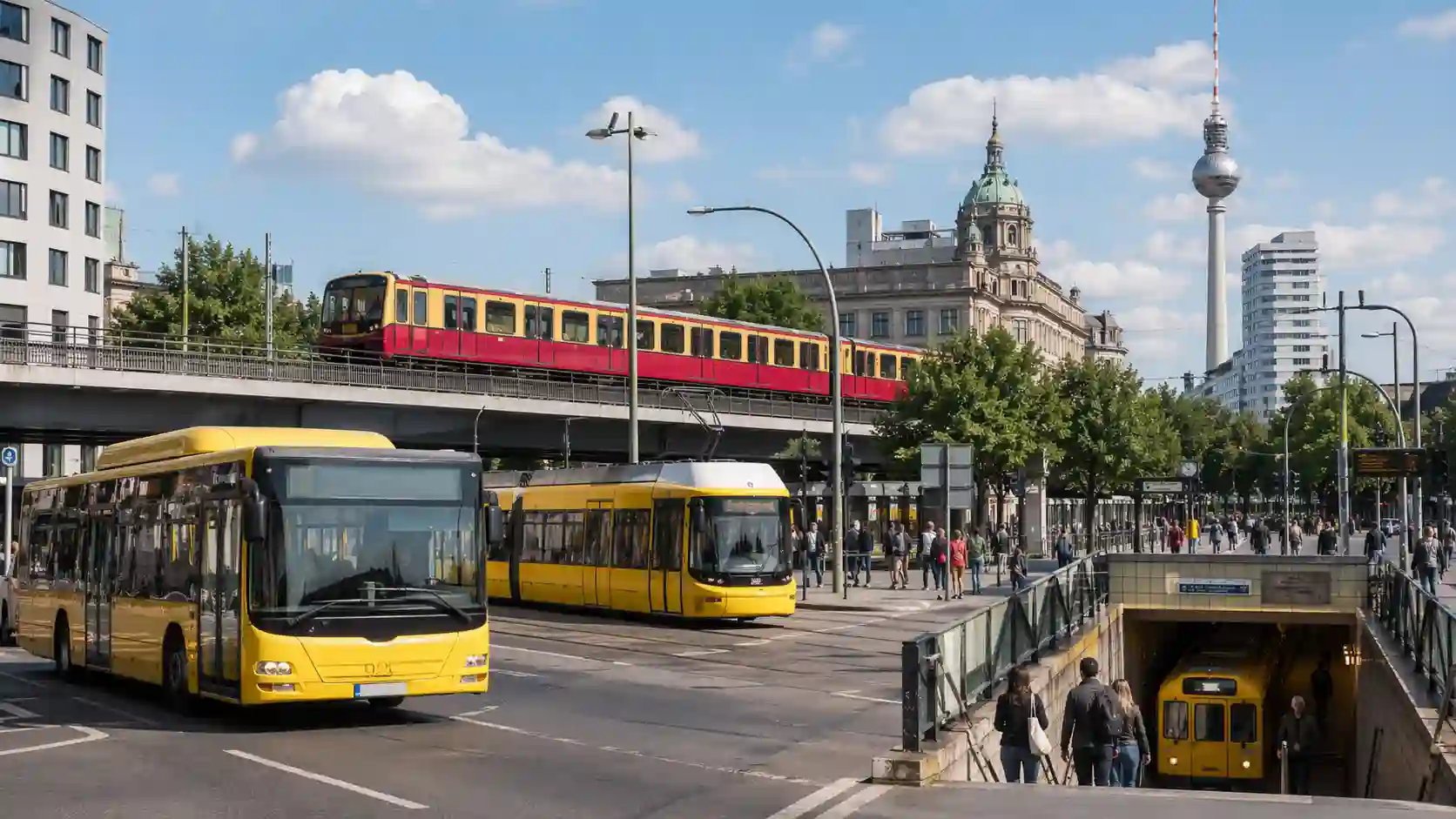 Transport hub
Berlin Transportation Guide
Start here if you want the full picture: arrival, tickets, airport, U-Bahn, S-Bahn, bus and tram.
Open transport hub →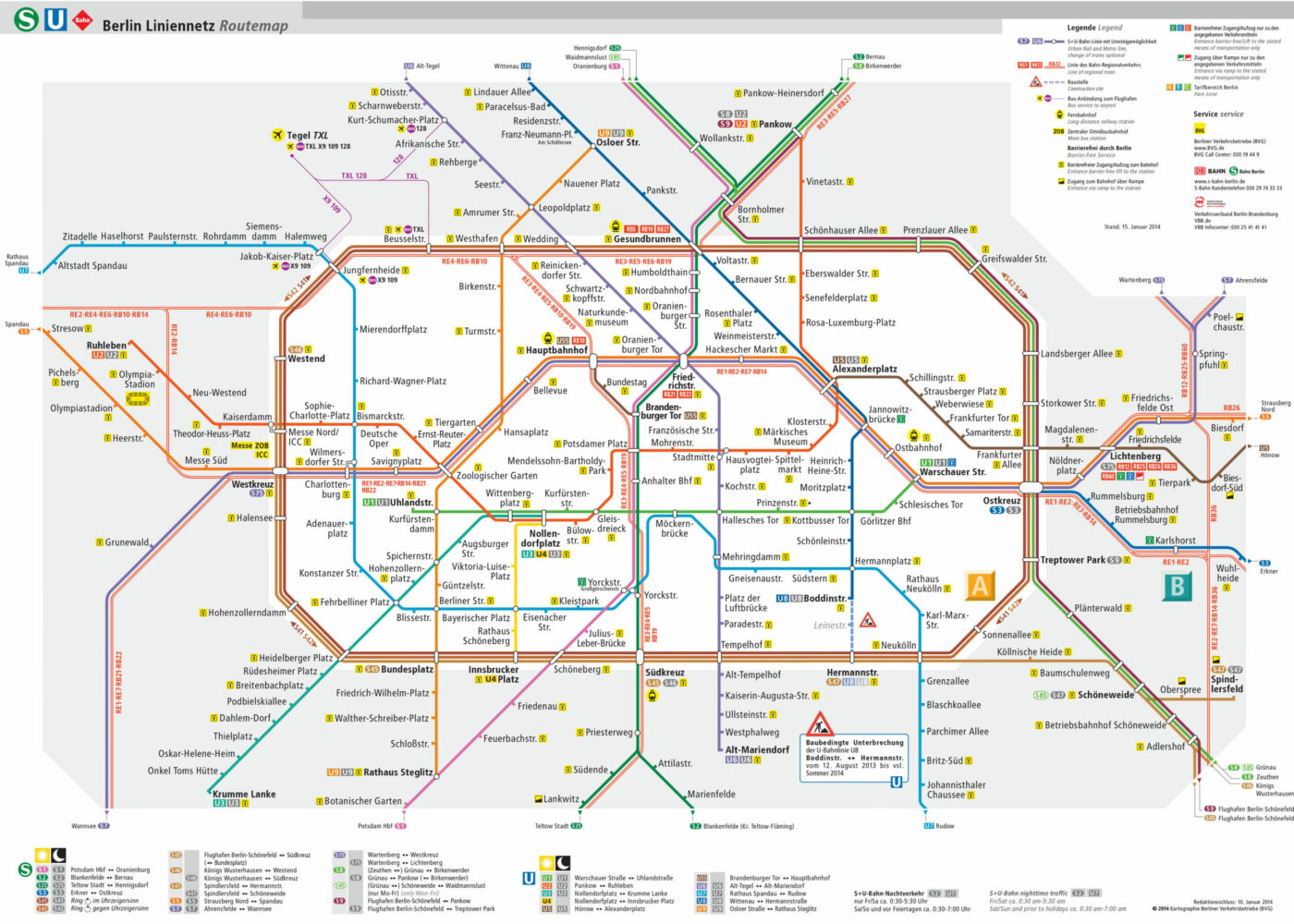 Map help
Berlin Metro Map Explained
Use the map before choosing U-Bahn, S-Bahn, tram or bus for your route.
Understand the metro map →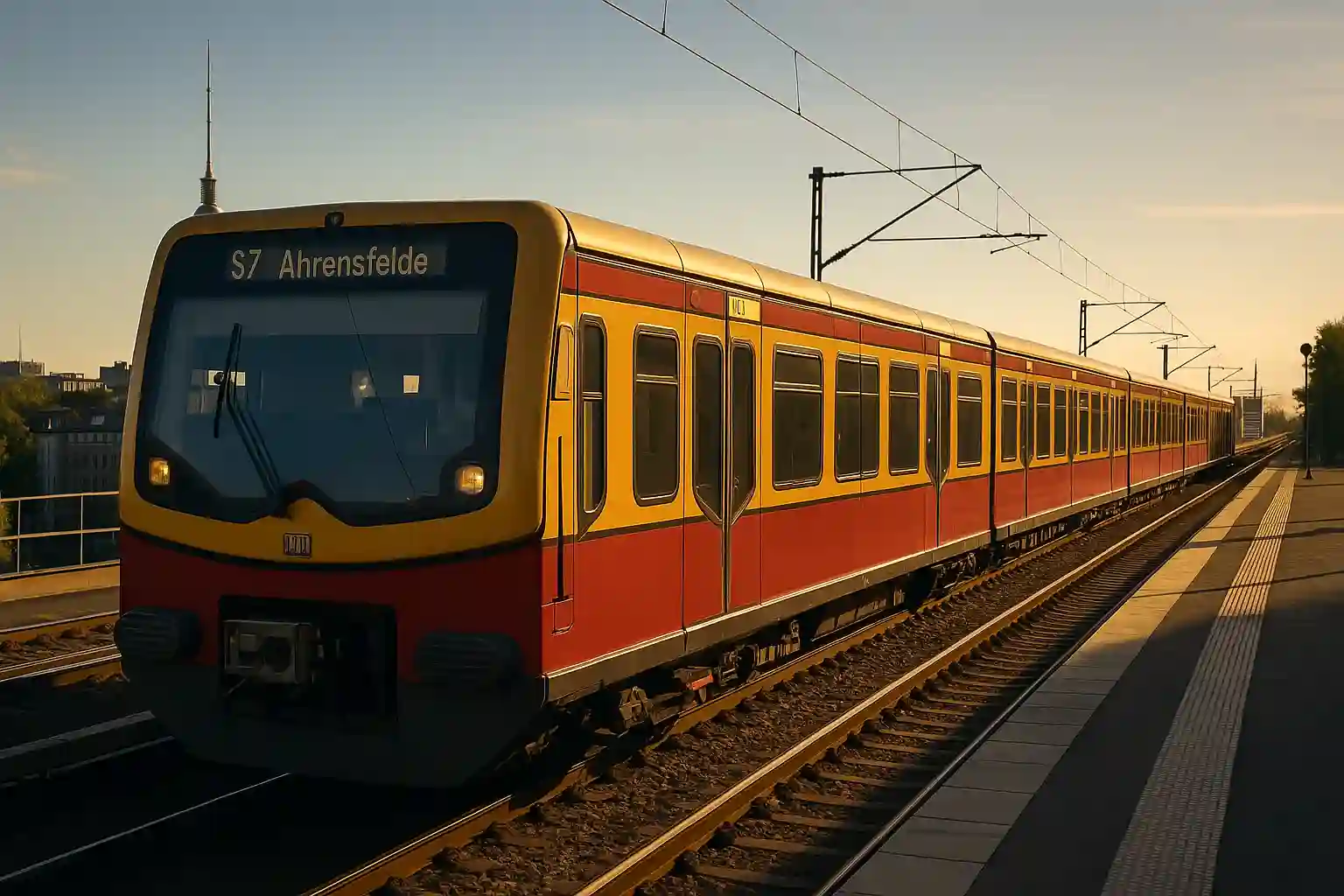 City rail
Berlin S-Bahn Guide
Best for longer city routes, the Ringbahn, BER Airport and outer districts.
Read S-Bahn guide → Street level
Berlin Tram Guide
Useful in eastern Berlin and often more scenic than underground travel.
Read tram guide →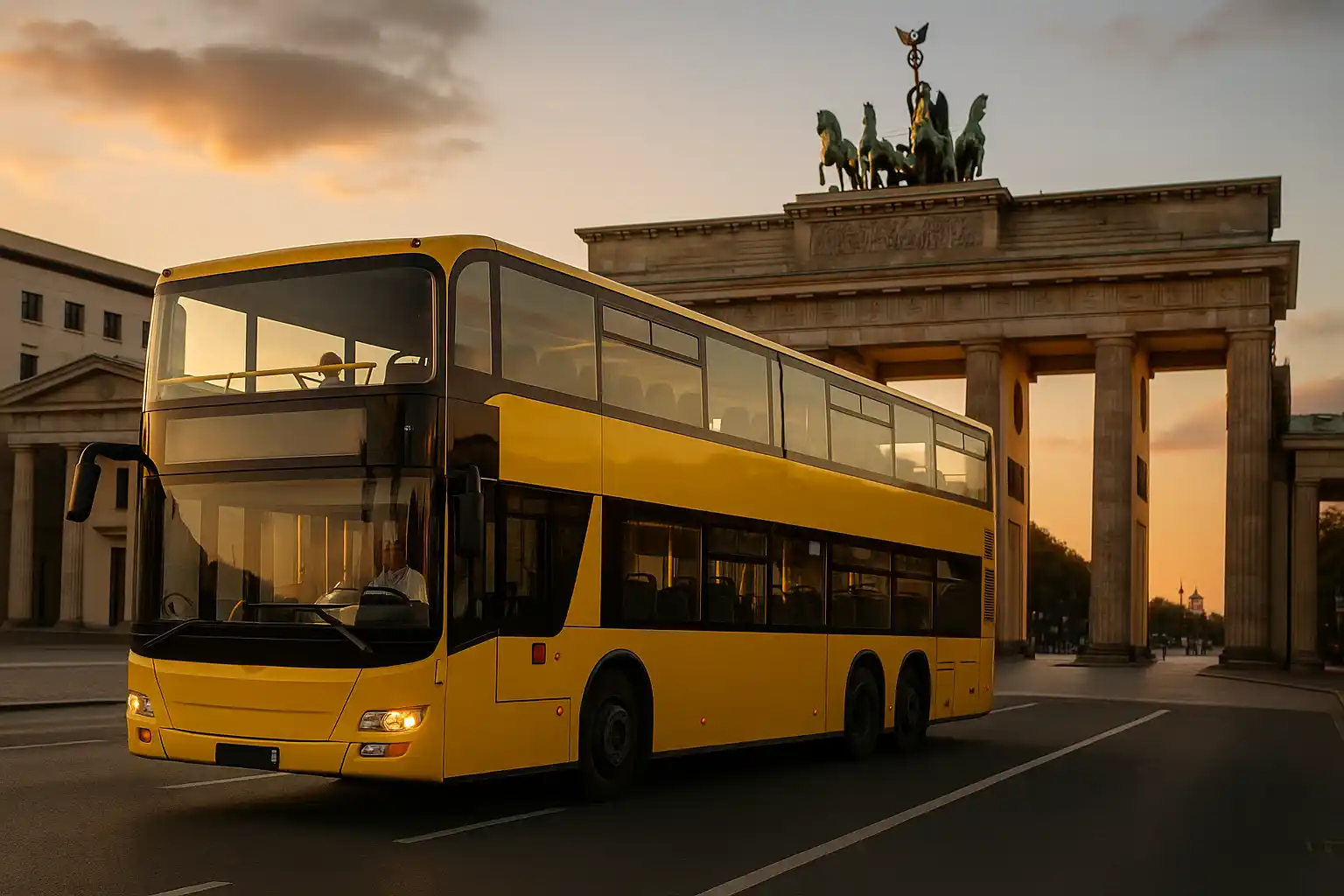 Street routes
Berlin Bus Guide
Useful for western districts, gaps between rail lines and classic sightseeing bus corridors.
Read bus guide →
Late fallback
Berlin Taxi Guide
Useful when U-Bahn, buses or night connections are slow, especially after late dinners or events.
Read taxi guide →Berlin Sights You Can Pair with the U-Bahn
These places work well with central U-Bahn routes, especially U2, U5 and U6.


Berlin U-Bahn FAQ
The most important questions before using the Berlin U-Bahn as a visitor.
Is the Berlin U-Bahn useful for tourists?
Yes. The Berlin U-Bahn is one of the easiest transport options for visitors because it connects central sights, major stations, nightlife areas and many neighborhoods quickly.
Which ticket do I need for the Berlin U-Bahn?
For most city trips, an AB ticket is enough. ABC is needed for routes that include the outer zone, such as BER Airport, Potsdam or some outer regional combinations. The same valid BVG ticket works on U-Bahn, S-Bahn, tram and bus within the selected zones.
Which U-Bahn line is best for sightseeing?
U2 is one of the easiest lines for visitors because it connects western Berlin, Potsdamer Platz, Stadtmitte and Alexanderplatz. U5 is also very useful for Hauptbahnhof, Unter den Linden, Museum Island and Alexanderplatz.
What were ghost stations?
Ghost stations were closed stations that some trains passed through without stopping during Berlin’s division. Passengers could see dark platforms, but the doors stayed closed.
Can I bring a bike on the U-Bahn?
Usually yes, but you need the correct bike ticket and should avoid crowded times. Follow BVG signs and carriage rules.
Is the U-Bahn step-free?
Many stations have elevators or ramps, but not every station is equally easy. Check live elevator status before travelling if step-free access is important.
Use the U-Bahn as One Layer of Berlin Transport
The U-Bahn is excellent for fast central rides. Combine it with S-Bahn for distance, tram for street-level routes in the east and buses for gaps in the western districts.
