
Berlin Transportation Guide: Airport, U-Bahn, S-Bahn, Tickets and Getting Around
Berlin is easy to reach and easy to move around once you understand the main layers: BER Airport, long-distance trains, U-Bahn, S-Bahn, tram, bus, taxi and bike. This guide explains how to arrive, which ticket zone you need, when AB is enough, when ABC is required and which transport option is best for each type of trip.
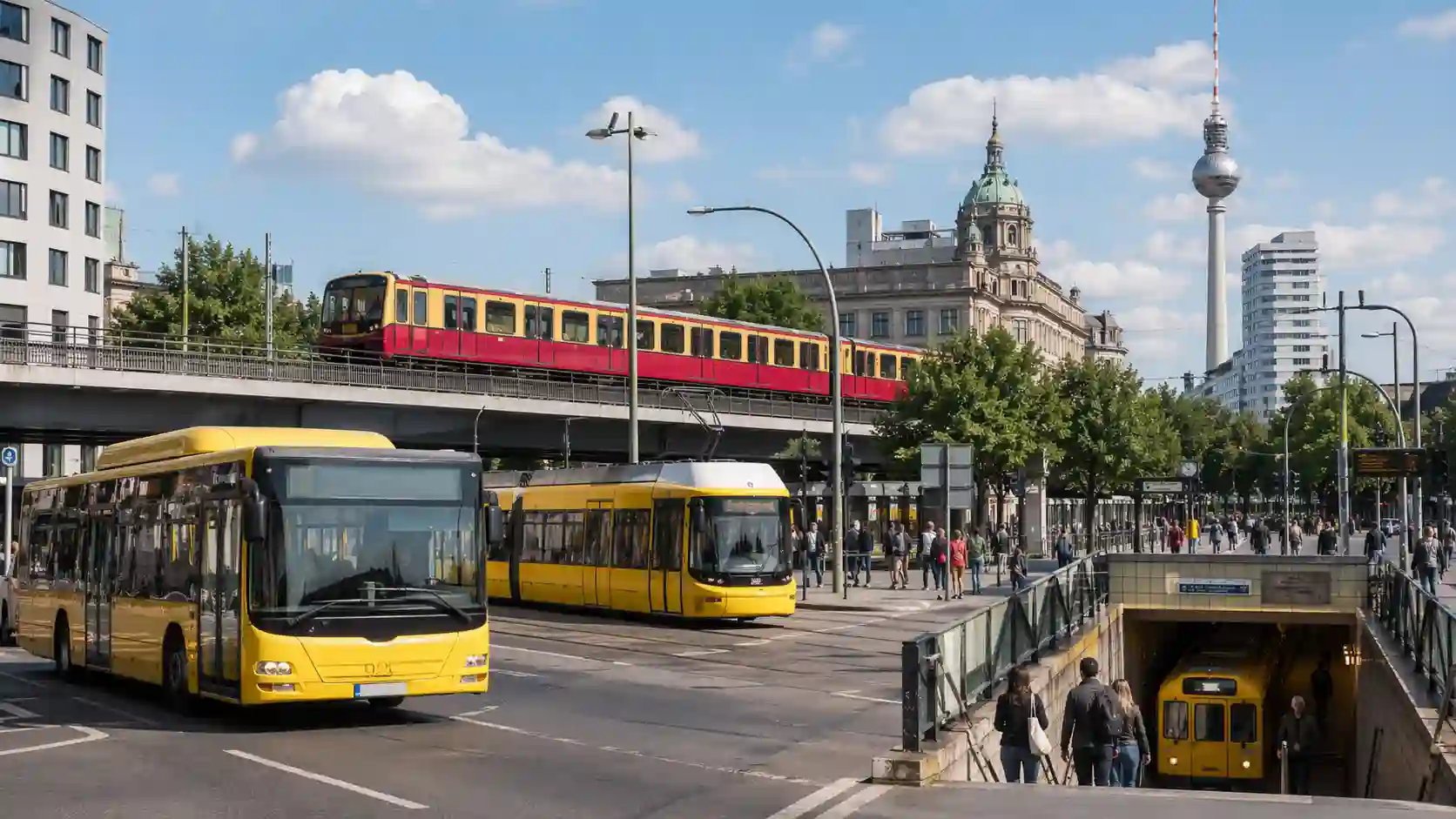
Berlin transport at a glance
Quick answer
For most Berlin sightseeing, use an AB ticket and combine U-Bahn, S-Bahn, tram and bus. Choose ABC when your route includes BER Airport, Potsdam or outer-zone destinations. The U-Bahn is best for short central trips, the S-Bahn for longer distances and the airport, trams for many eastern neighbourhoods, buses for gaps between rail lines and taxis for luggage, late nights or door-to-door comfort.
Use AB for most city trips
Most normal sightseeing routes inside Berlin are covered by fare zone AB.
Use ABC for airport and Potsdam
BER Airport and Potsdam are outside the normal AB visitor area and need ABC.
Check live departures
Construction, strikes, disruptions and replacement buses can change the best route.
How to Get to Berlin
Berlin is well connected by plane, train, long-distance bus and car. The best arrival option depends on where you start, how much luggage you have and whether you want to arrive directly in the city centre.
By plane: Berlin Brandenburg Airport
BER Airport is Berlin’s airport for scheduled passenger flights. The fastest public transport links are regional trains and the Airport Express. S-Bahn and bus options are also useful depending on your destination.
Best for: international arrivals and longer distancesBy train: Berlin Central Station
Long-distance trains arrive at Berlin Central Station and other major stations. This is often the easiest option from German and nearby European cities because you arrive directly in the city.
Best for: Germany and European rail tripsBy long-distance bus
Long-distance buses are usually cheaper than trains but slower. Most major coach connections use ZOB Berlin in the west of the city, with U-Bahn and bus links nearby.
Best for: budget travelBy car or rideshare
Driving gives flexibility for Brandenburg and day trips, but central parking is limited and expensive. Check the low-emission zone before entering the inner city.
Best for: flexible trips outside BerlinBER Airport to Berlin: Train, S-Bahn, Bus or Taxi?
BER Airport sits in fare zone C. If you use public transport between BER and central Berlin, choose a ticket valid for ABC.
Airport Express and regional trains
Regional trains and the Airport Express are usually the fastest public transport options between BER and central Berlin. They are best for Hauptbahnhof, Potsdamer Platz and Südkreuz.
S-Bahn from BER
S-Bahn lines are useful when your destination is closer to an S-Bahn stop or when you want a direct connection without changing to regional rail.
Bus and U-Bahn connection
Airport buses connect BER with nearby U-Bahn and S-Bahn stations. They can be useful for southern or eastern destinations but are not always fastest.
Taxi or booked transfer
Choose a taxi or private transfer if you arrive late, travel with heavy luggage, have children or want a direct door-to-door ride after a long flight.
Official airport and transport sources
How to Move Around Berlin
Berlin works best when you combine transport types. The fastest option changes depending on distance, time of day, transfers, luggage and how far you are from the nearest station.
U-Bahn
Best for short central rides, major sights and dense inner-city movement. Useful lines include U2, U5, U6 and U1/U3.
Read U-Bahn guide →S-Bahn
Best for longer routes, the Ringbahn, BER Airport, Potsdam, outer districts and fast cross-city travel.
Read S-Bahn guide →Tram
Best for eastern Berlin, street-level movement, Prenzlauer Berg, Friedrichshain, Mitte edges and local neighbourhood routes.
Read tram guide →Bus
Best for gaps between rail lines, western districts and useful sightseeing corridors such as routes 100, 200 and 300.
Read bus guide →Taxi
Best for luggage, late nights, bad weather, direct hotel transfers, accessibility needs and short awkward gaps.
Read taxi guide →Bike
Best for flat neighbourhood routes, parks, riverside rides and seeing Berlin above ground without waiting for trains.
See bike tours →Berlin Tickets: AB, ABC, Single Tickets, Day Tickets and Passes
Berlin’s ticket system is shared across U-Bahn, S-Bahn, tram and bus. The important question is usually not the transport type, but the fare zone.
AB zone
The normal choice for most city trips. Use AB for central Berlin, most neighbourhoods, museums, sights, restaurants and nightlife routes.
Best for: normal city travelABC zone
Choose ABC when your route includes BER Airport, Potsdam or outer-zone destinations. This is the main ticket mistake visitors make.
Best for: airport and PotsdamSingle ticket
Good for one or two rides in a day. A single ticket is valid for a limited time and allows transfers in one travel direction.
Best for: occasional rides24-hour ticket
Good when you make several trips in one day. It is often easier than buying multiple singles during a full sightseeing day.
Best for: active sightseeingBerlin WelcomeCard
Useful when you want transport plus attraction discounts. Compare AB vs ABC and check whether the discounts match your itinerary.
Best for: first-time visitorsDeutschlandticket
Useful for longer stays or regional travel across Germany. It is a monthly subscription and does not cover long-distance ICE, IC or EC trains.
Best for: Germany-wide regional travelWhich Transport Should You Use?
Use this simple comparison when a route planner gives you several options.
Common Berlin Transport Mistakes
Most problems are easy to avoid once you know the zone system, validation rule and difference between the transport layers.
Using AB for BER Airport
BER Airport is in zone C. For public transport between BER and central Berlin, you normally need ABC.
Fix: choose ABC for airport routesForgetting to validate paper tickets
A paper ticket without correct validation can count as invalid even if you paid for it.
Fix: stamp before travelUsing U-Bahn for every route
The U-Bahn is great, but the S-Bahn is often better for long distances, the Ringbahn and the airport.
Fix: compare with S-BahnIgnoring tram routes in the east
In Prenzlauer Berg, Friedrichshain and parts of Mitte, the tram can be easier than changing trains.
Fix: check M-linesNot checking live disruptions
Construction and replacement buses can change the best route completely.
Fix: use live departuresTaking taxis for every ride
Taxis are useful, but for ordinary sightseeing public transport is usually cheaper and often just as fast.
Fix: use taxis for comfort casesBerlinWanderlust Transport Guides
Use these guides when you need more detail for a specific part of the network.
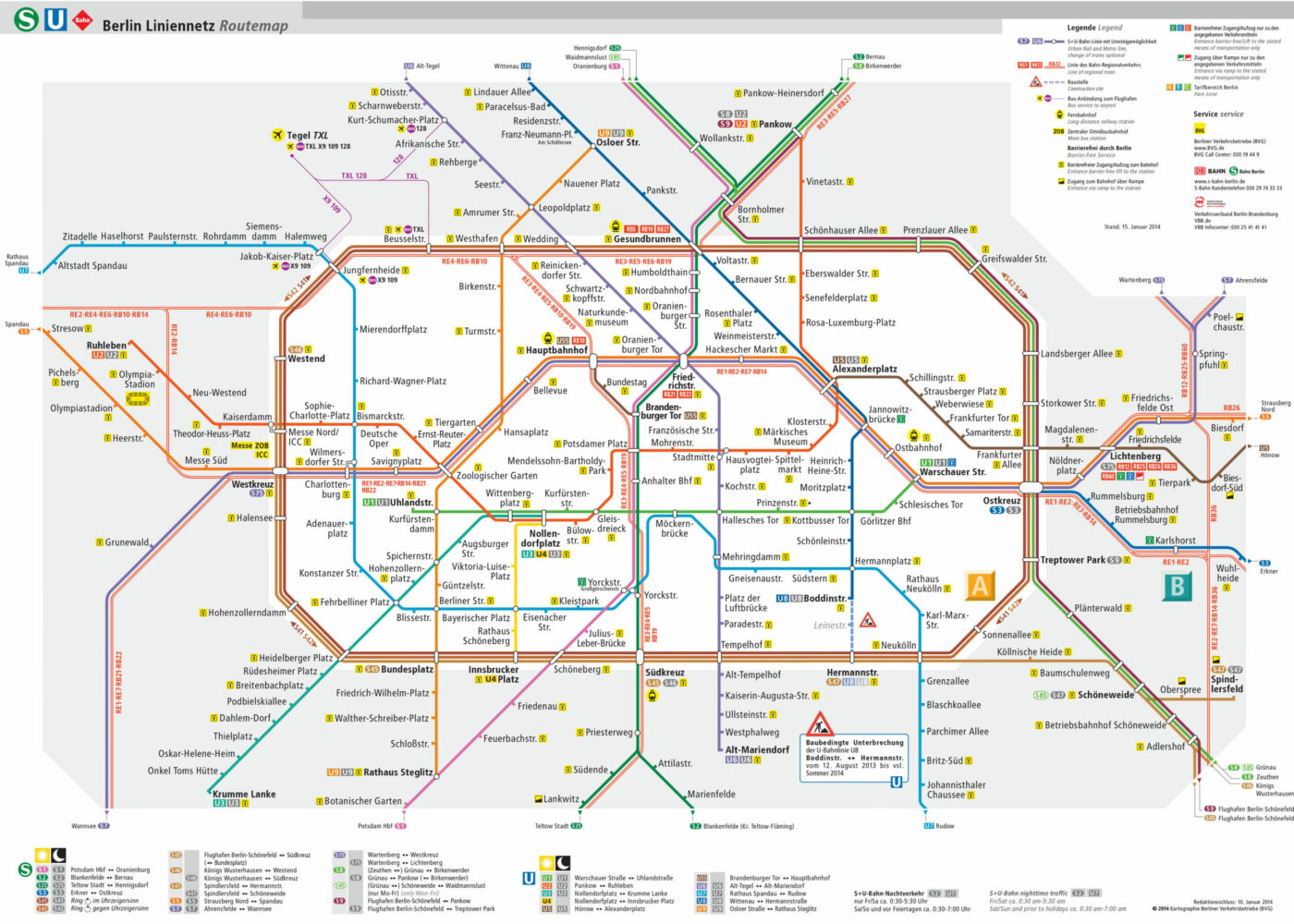 Map help
Berlin Metro Map Explained
Understand the full network before choosing U-Bahn, S-Bahn, tram, bus or taxi.
Open metro map guide →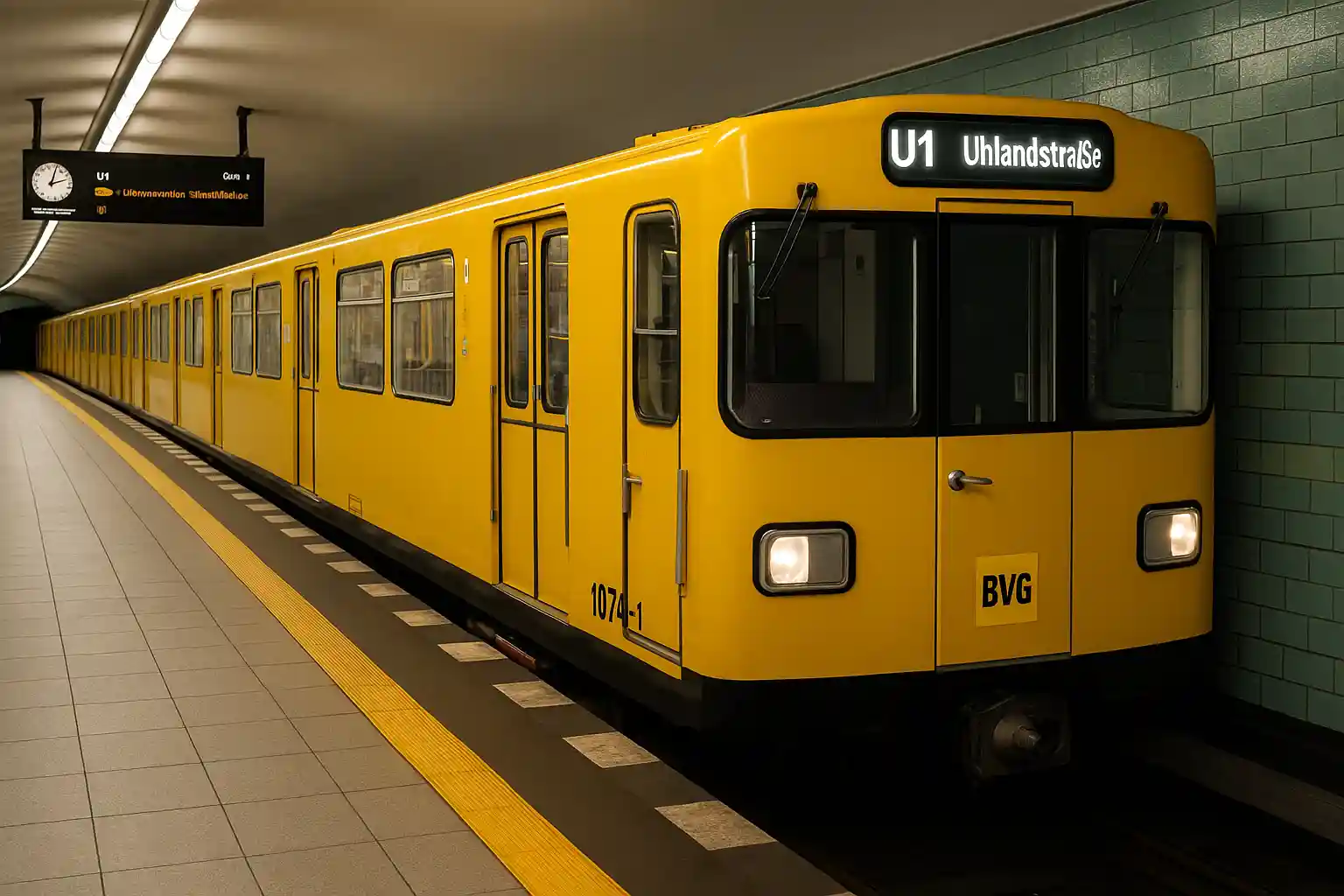 Underground
Berlin U-Bahn Guide
Best for fast inner-city movement, central sights and short rides.
Read U-Bahn guide →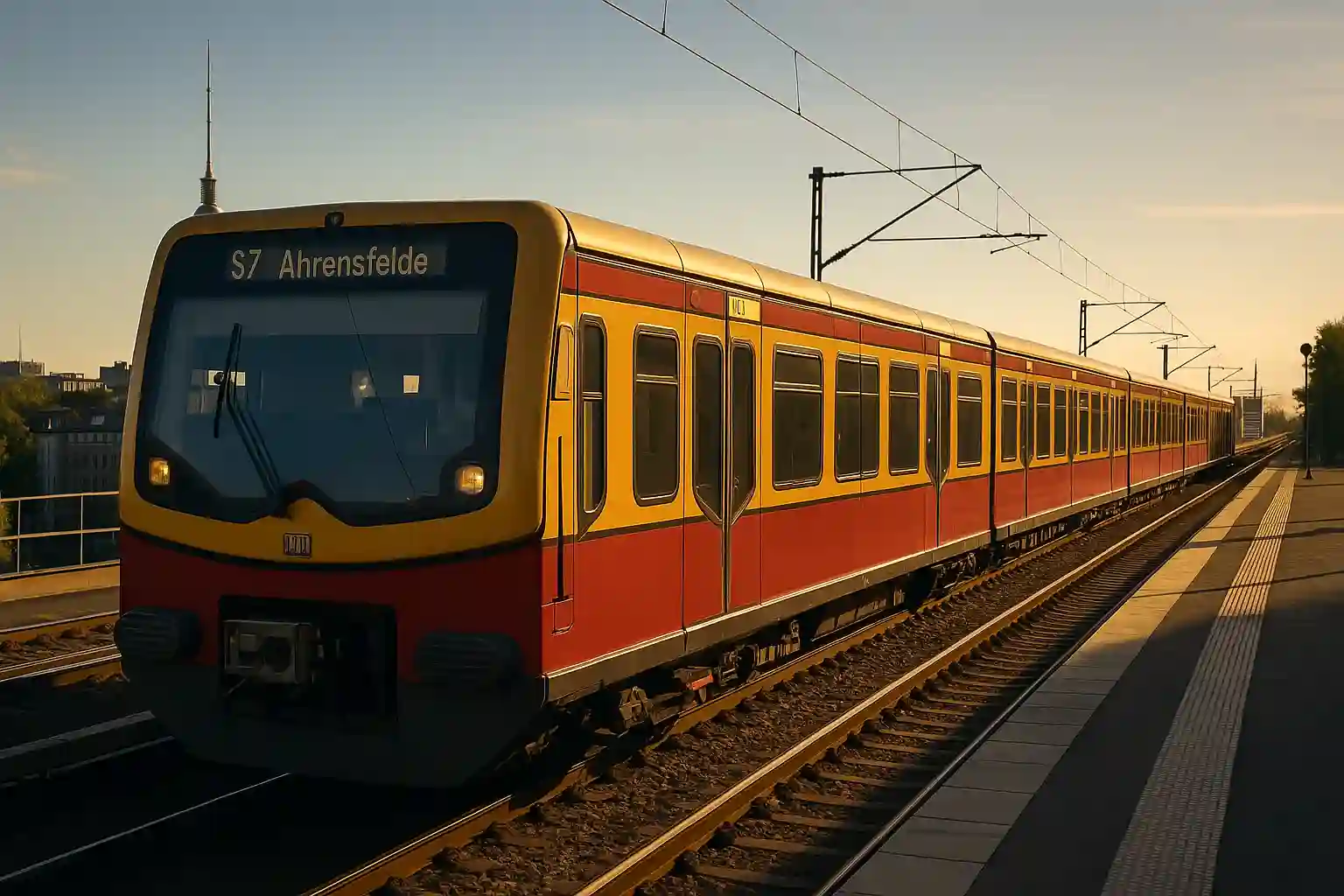 City rail
Berlin S-Bahn Guide
Best for longer routes, the Ringbahn, BER Airport and outer districts.
Read S-Bahn guide → Street level
Berlin Tram Guide
Useful in eastern Berlin and often more scenic than underground travel.
Read tram guide →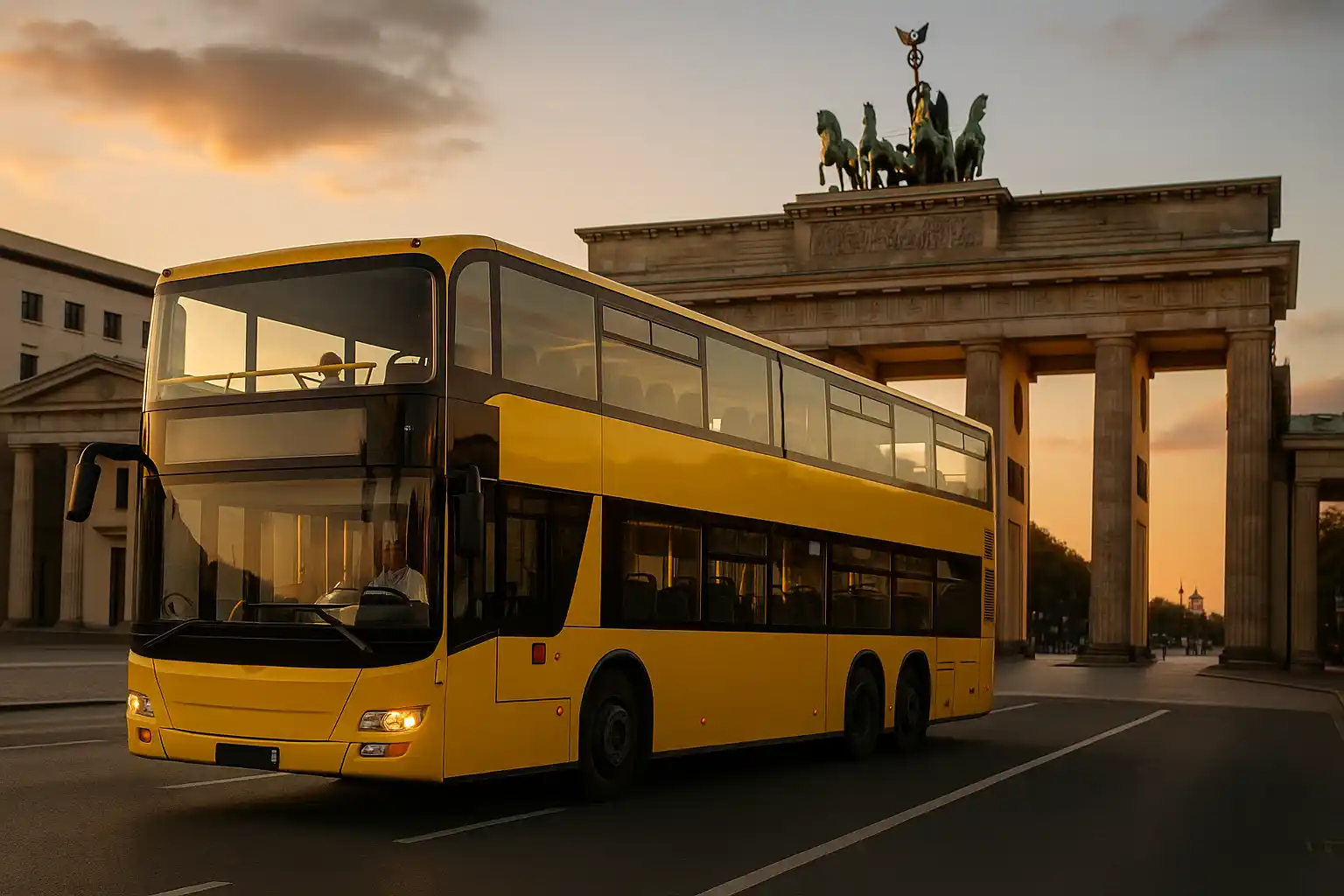 Street routes
Berlin Bus Guide
Useful for western districts, gaps between rail lines and sightseeing bus corridors.
Read bus guide →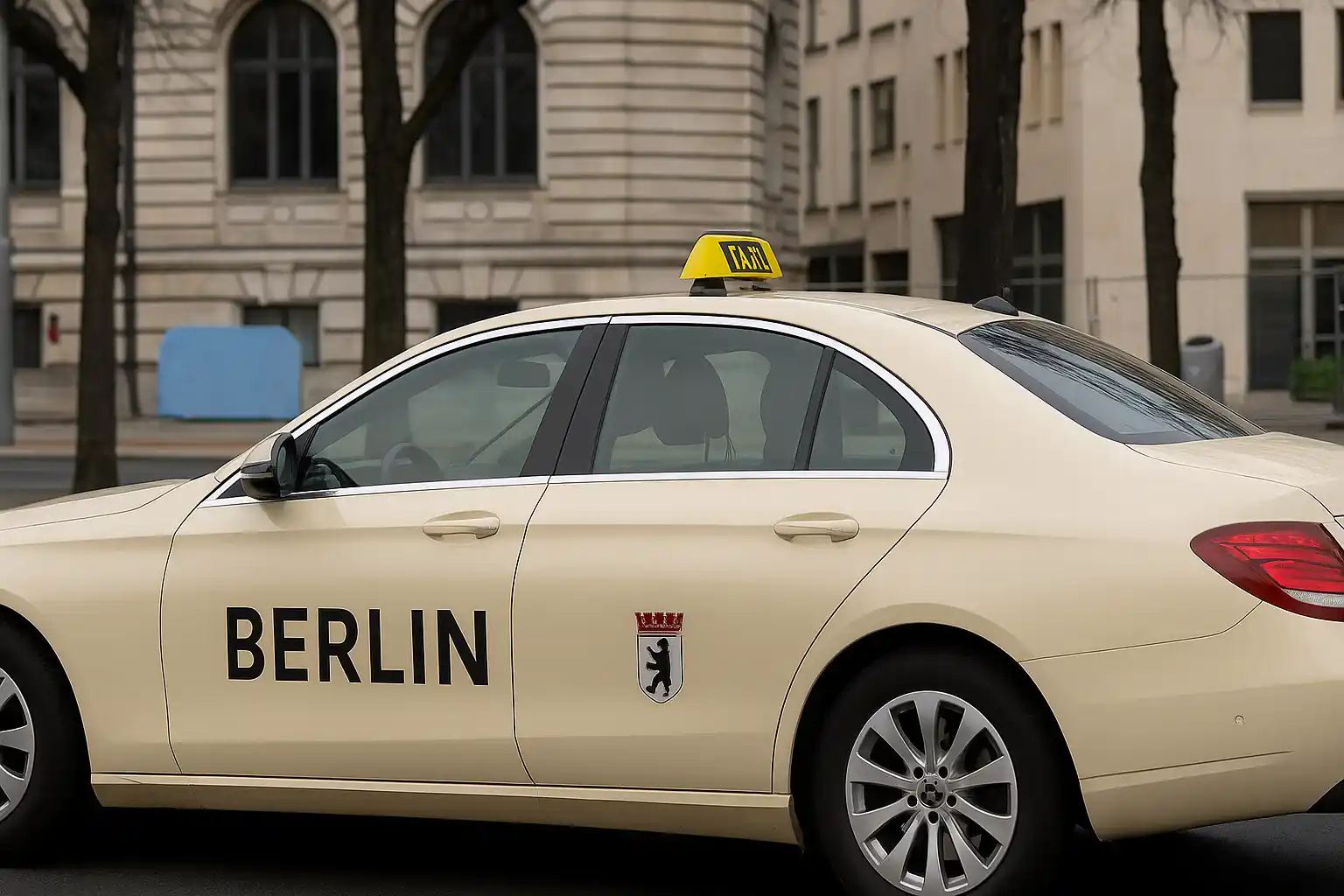 Door to door
Berlin Taxi Guide
Useful for luggage, late nights, airport comfort and direct hotel transfers.
Read taxi guide →Common Berlin Routes Visitors Need
These are the routes where the ticket zone and transport choice matter most.
BER Airport → city centre
Use ABC. Regional rail and Airport Express are usually fastest; S-Bahn is useful for more stops; taxi is easiest with luggage.
Best choice: train or taxi, depending on luggageBerlin Central Station → Museum Island
U5 is usually the cleanest public transport link for Unter den Linden, Museum Island and Alexanderplatz.
Best choice: U5Berlin → Potsdam
Use ABC. Compare S-Bahn and regional rail depending on your starting point and time of day.
Best choice: S-Bahn or regional railBrandenburg Gate → East Side Gallery
Public transport works well, but a taxi can be useful if time is tight or several people share the ride.
Best choice: S-Bahn, bus or taxiCity West → Alexanderplatz
U2 or S-Bahn east-west lines are usually simple, depending on your exact starting point.
Best choice: U2 or S-BahnLate-night ride → hotel
Weekend rail service is often strong, but taxi can be the easiest choice after bars, clubs or late dinners.
Best choice: compare night route and taxiBerlin Transportation FAQ
The most important questions before arriving in Berlin or moving around the city.
What is the best way to get from BER Airport to central Berlin?
Regional trains and the Airport Express are usually the fastest public transport options. S-Bahn lines are useful for more stops. A taxi or private transfer is easiest with luggage, children or late arrivals. Public transport from BER to central Berlin normally needs ABC.
Which ticket zone do I need in Berlin?
AB is enough for most normal city travel inside Berlin. Choose ABC when your route includes BER Airport, Potsdam or other outer-zone destinations.
Is the U-Bahn or S-Bahn better?
Use the U-Bahn for short central trips and dense city movement. Use the S-Bahn for longer distances, the Ringbahn, airport routes, Potsdam and outer districts.
Do I need to validate my ticket?
Paper tickets usually need to be stamped before or at the start of travel. App tickets are normally time-valid after purchase or activation. Check your ticket type before boarding.
Does public transport run at night?
Berlin has strong night transport, especially on weekends. Some U-Bahn and S-Bahn lines run through the night on weekend nights, while night buses and tram lines cover many routes during the week.
Is the Berlin WelcomeCard worth it?
It can be worth it if you use public transport frequently and visit several paid attractions with discounts. Compare AB or ABC, the validity period and the attractions you actually plan to visit.
Can I use taxis instead of public transport?
Yes, but taxis are best for luggage, late nights, bad weather, accessibility needs and door-to-door routes. For ordinary sightseeing, public transport is usually cheaper and often just as fast.
Plan Berlin Around the Route, Not Around One Transport Type
Start with the metro map, then choose the right layer: U-Bahn for central speed, S-Bahn for distance, tram for eastern neighbourhoods, bus for gaps and taxi for comfort.
