
Berlin Tram Guide: Lines, Tickets, Best Routes and Why West Berlin Has Fewer Trams
Berlin’s tram, or Straßenbahn, is one of the easiest ways to understand the city above ground. It is especially useful in the eastern districts, around Alexanderplatz, Prenzlauer Berg, Friedrichshain, Weißensee, Lichtenberg and parts of Mitte. This guide explains how to use Berlin trams, which lines matter for visitors, what ticket you need and why the tram map still reflects Berlin’s divided history.

Berlin trams at a glance
Quick answer
Berlin trams are most useful in the eastern half of the city. Use them for short above-ground trips around Alexanderplatz, Prenzlauer Berg, Friedrichshain, Weißensee, Lichtenberg and parts of Mitte. For most tourist rides, an AB ticket is enough. Use ABC if your day also includes BER Airport, Potsdam or outer-zone travel. The reason Berlin has fewer trams in the west is historical: West Berlin shut down its tram system by 1967, while East Berlin kept and expanded tram service.
Practical intent
How to use trams, which ticket to buy, where to board and when the tram is better than U-Bahn or bus.
Line intent
Visitors search for M10, M4, M2, M1 and other lines because tram routes feel less obvious than the U-Bahn.
History intent
The tram map tells a Cold War transport story: East Berlin kept trams; West Berlin removed them.
How Berlin Trams Work
Berlin trams are part of the normal BVG public transport system. One valid ticket covers tram, U-Bahn, S-Bahn and bus within the zones you selected.
Buy the right zone ticket
For normal city travel, AB is usually enough. Choose ABC if your route includes BER Airport, Potsdam or outer-zone trips. App tickets are easiest; paper tickets must be validated before or at the start of travel.
Check live departures
Trams are frequent on major corridors, but diversions, construction work and late-evening intervals happen. Use the BVG app or stop displays before choosing a connection.
Board like local transport
Let passengers exit first, use all available doors where allowed, keep bags close and use the multi-purpose area for strollers, wheelchairs and luggage.
Official sources to check before riding
Berlin Tram Tickets: AB, ABC, WelcomeCard and Validation
You do not need a special tram ticket. Berlin uses a shared ticket system across tram, U-Bahn, S-Bahn and bus.
AB ticket
Best for most visitor trips inside Berlin. Use AB for normal city routes, central sights, neighborhoods and most tram rides.
Best for: city travelABC ticket
Needed when your route adds outer-zone travel. Use ABC for BER Airport, Potsdam or wider regional combinations.
Best for: airport and outer zoneBerlin WelcomeCard
Useful if you want transport plus attraction discounts. Choose AB or ABC depending on your trip plan.
Best for: first-time visitorsMuseum Island Card
Useful if you know you want public transport plus Museum Island access during a short Berlin stay.
Best for: museumsBest Berlin Tram Lines for Visitors
You do not need to memorize the whole tram map. Start with these lines if you want easy, useful routes for sightseeing, neighborhoods and transfers.
Turmstraße – Prenzlauer Berg – Friedrichshain – Warschauer Straße
One of the best visitor lines. Useful for Prenzlauer Berg, Friedrichshain, nightlife corridors, Warschauer Straße and connections toward East Side Gallery.
Best for: nightlife, neighborhoods, east-west tram travelPrenzlauer Berg and Mitte
Good for leafy north-east neighborhoods, cafés, Hackescher Markt area and easy connections toward central Berlin.
Best for: Prenzlauer Berg and MitteAlexanderplatz and Prenzlauer Berg
A useful line when staying around Alexanderplatz or moving into Prenzlauer Berg without dropping underground.
Best for: Alexanderplatz-based visitorsAlexanderplatz and Weißensee
A strong eastern corridor. Useful for understanding everyday residential Berlin beyond the central sightseeing grid.
Best for: east Berlin rhythmHauptbahnhof, Alexanderplatz and the east
Useful because it connects the central rail station area with Alexanderplatz and eastern districts.
Best for: station-to-east connectionsNorth and east cross-city tram corridor
More local than classic sightseeing, but useful if your accommodation or plans sit north of the usual tourist core.
Best for: local cross-connectionsWhy Berlin’s Tram Map Still Shows the City’s History
The tram is not only a way to move through Berlin. It is also one of the clearest everyday traces of how the city was divided and rebuilt.
A huge street-level network
Berlin once had an extensive tram network across the city. Trams were part of everyday movement before private car planning, U-Bahn expansion and post-war transport strategies reshaped the system.
Why West Berlin lost the tram
West Berlin gradually removed tram lines after the 1950s. Transport policy focused on U-Bahn expansion and buses, and by 1967 the western tram network had been shut down. This is why districts such as Charlottenburg, Wilmersdorf and much of the western city still have far fewer trams today.
Why East Berlin kept the tram
East Berlin retained and developed tram corridors because they remained practical for dense residential areas and major surface routes. That decision still shapes the city: the tram network is densest in the former eastern districts.
Slow reconnection
After reunification, the tram system was modernized and selected extensions pushed back toward central and former western areas. The map is still uneven, but the direction is clear: Berlin is slowly using trams again as part of a wider climate and mobility strategy.
The simple way to read the tram map
If you see many tram lines, you are usually looking at the former East Berlin mobility layer. If you see U-Bahn and bus corridors with few or no trams, you are often looking at the former West Berlin planning layer.
Tram vs U-Bahn vs S-Bahn vs Bus
Berlin has several transport layers. The tram is excellent, but it is not always the fastest choice.
Common Tram Mistakes in Berlin
Most tram problems are not complicated. They come from using the wrong transport layer for the route.
Expecting trams everywhere
Trams are dense in the east, but many western districts rely more on U-Bahn, S-Bahn and buses.
Fix: use the metro map firstBuying ABC when AB is enough
Most inner-city tram rides only need AB. Use ABC for BER Airport, Potsdam or outer-zone travel.
Fix: check the zone before buyingForgetting validation
Paper tickets must be stamped. A valid-looking ticket without validation can still be a problem.
Fix: stamp before ridingIgnoring live disruptions
Construction and diversions are common. The stop sign is not enough for final planning.
Fix: check BVG live departuresUsing tram for long cross-city trips
For longer distances, S-Bahn or U-Bahn is often faster. Tram is strongest for street-level local movement.
Fix: compare route timeStanding in the doorway
Trams are frequent but busy. Keep doors and aisles clear, especially with luggage or strollers.
Fix: move into the carriageUseful BerlinWanderlust Transport Guides
Use these guides together. Berlin works best when you combine tram, U-Bahn, S-Bahn, bus and the network map instead of relying on one mode.
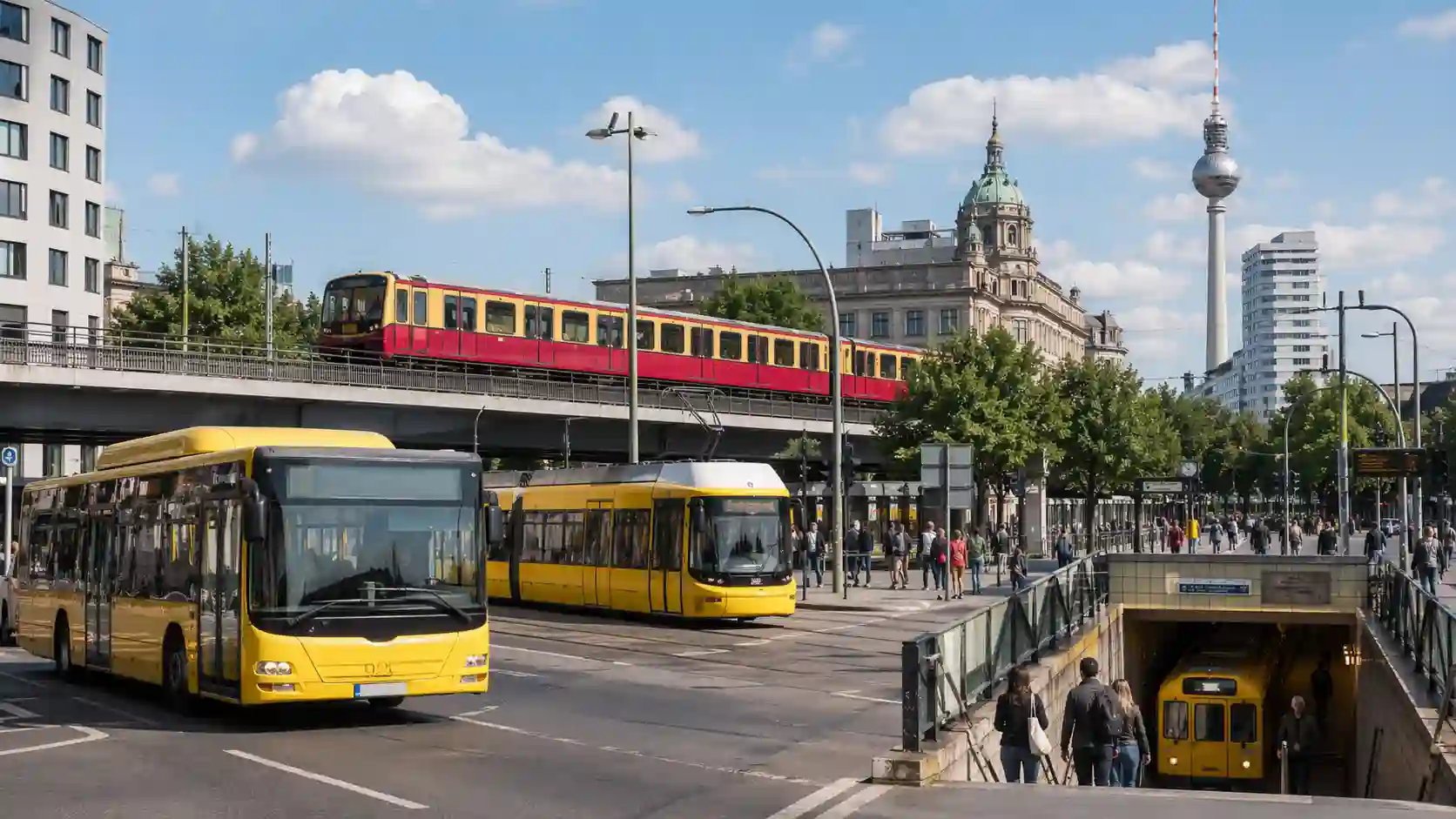 Transport hub
Berlin Transportation Guide
Start here if you want the full picture: arrival, tickets, airport, U-Bahn, S-Bahn, bus and tram.
Open transport hub →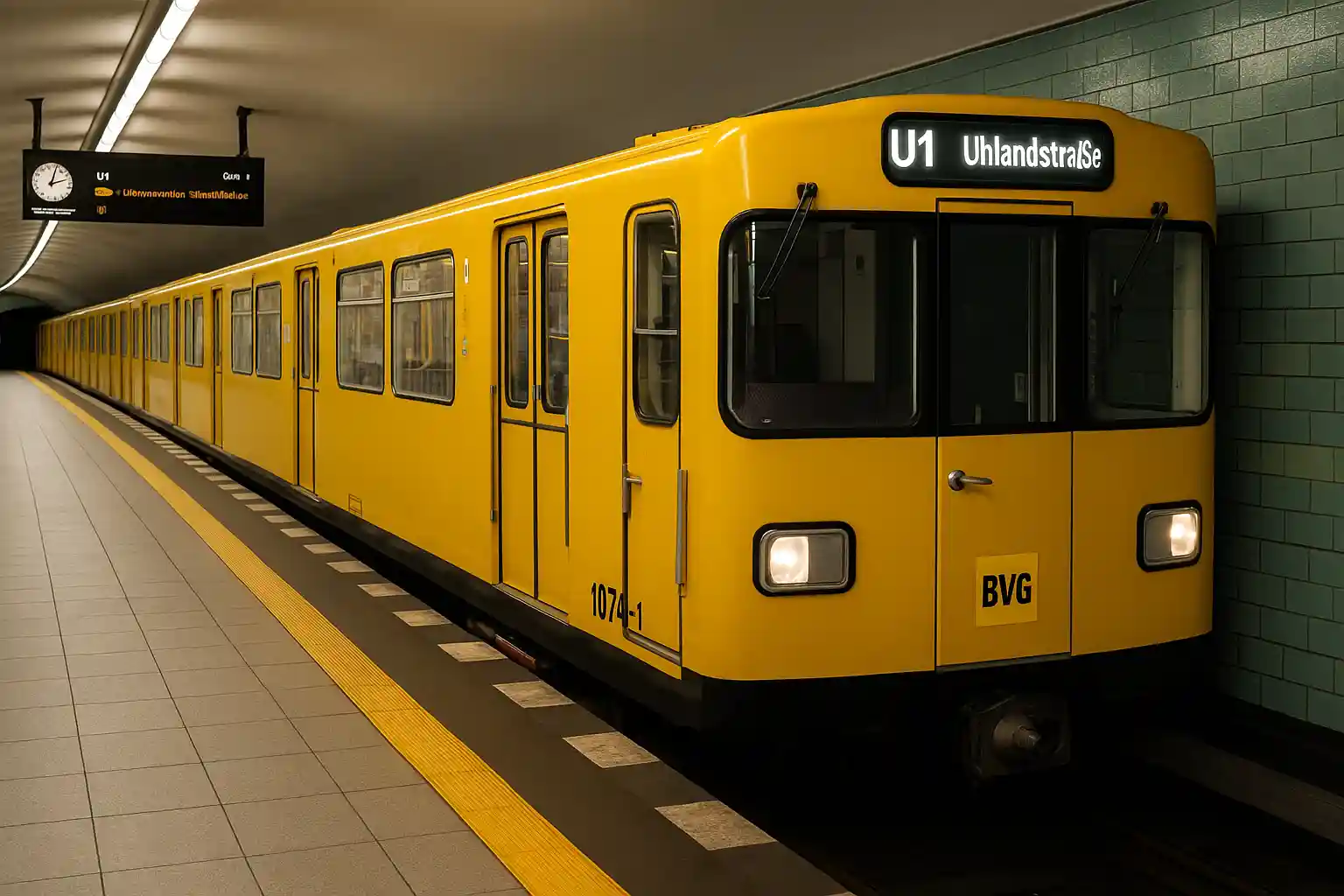 Underground
Berlin U-Bahn Guide
Best for fast inner-city movement, central sights and understanding Berlin below street level.
Read U-Bahn guide →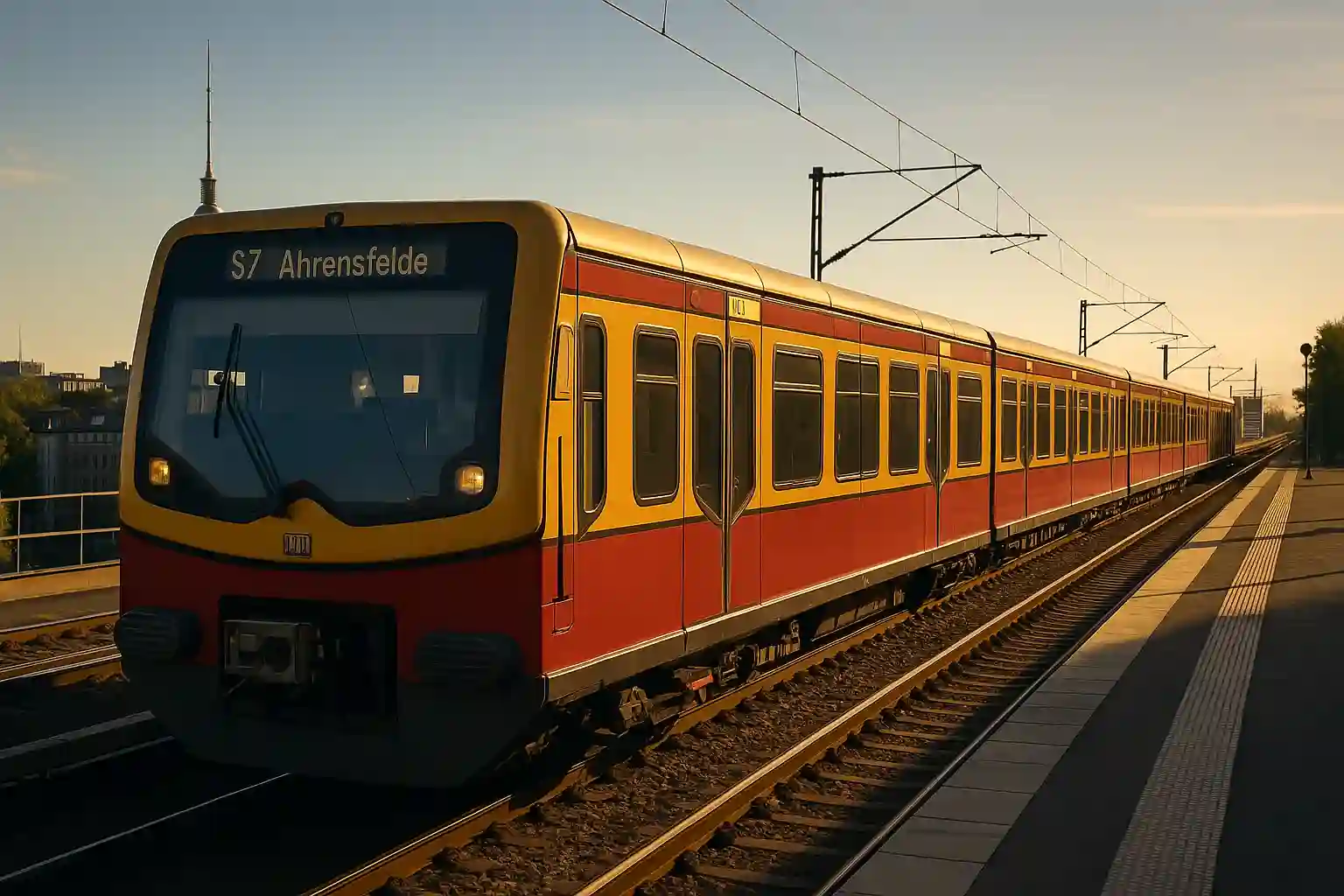 City rail
Berlin S-Bahn Guide
Best for longer city routes, the Ringbahn, BER Airport and outer districts.
Read S-Bahn guide → Street routes
Berlin Bus Guide
Useful for western districts, gaps between rail lines and classic sightseeing bus corridors.
Read bus guide →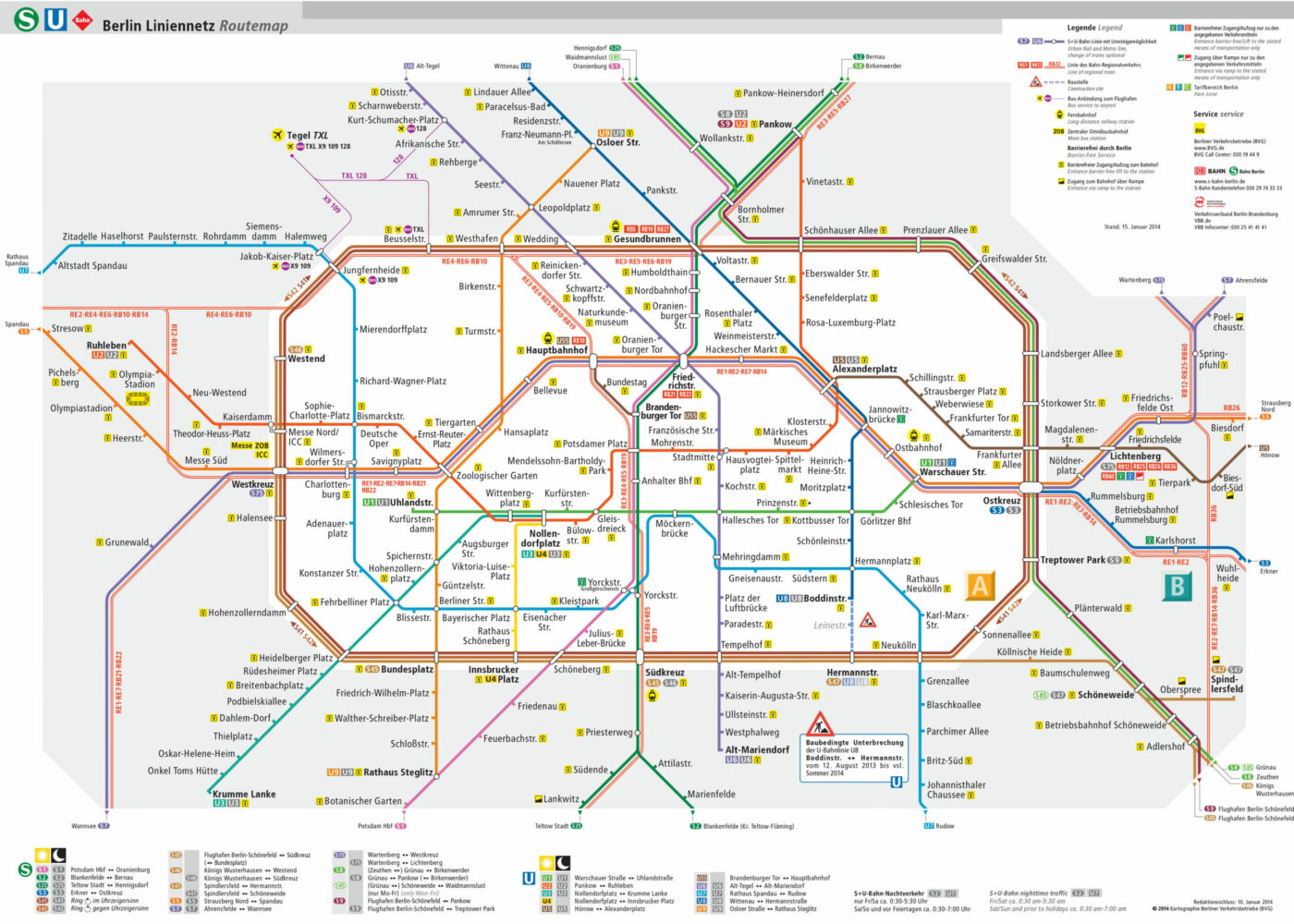 Map help
Berlin Metro Map Explained
Use the map before choosing tram, U-Bahn, S-Bahn or bus for your route.
Understand the metro map →
Late fallback
Berlin Taxi Guide
Useful when trams, buses or night connections are slow, especially after late dinners or events.
Read taxi guide →Berlin Tram FAQ
The most important questions before using Berlin trams as a visitor.
Are Berlin trams useful for tourists?
Yes. Berlin trams are especially useful in the eastern half of the city, around Alexanderplatz, Prenzlauer Berg, Friedrichshain, Weißensee, Lichtenberg and parts of Mitte. They are good for short street-level hops and scenic neighborhood routes.
Which ticket do I need for Berlin trams?
For most city trips, an AB ticket is enough. ABC is needed for routes that include the outer zone, such as BER Airport, Potsdam or some outer regional combinations. The same valid BVG ticket works on tram, U-Bahn, S-Bahn and bus within the selected zones.
Which Berlin visitor pass is best if I use trams?
The Berlin WelcomeCard is useful if you want public transport plus attraction discounts. The Museum Island version fits visitors who want transport plus Museum Island access. The All Inclusive version fits heavier sightseeing plans. Always check current validity, zones and inclusions before booking.
Why are there fewer trams in West Berlin?
West Berlin gradually shut down its tram network after the 1950s and ended tram service in 1967, while prioritizing U-Bahn and bus expansion. East Berlin kept and developed the tram system, which is why the network is still much denser in the eastern districts.
What is a MetroTram in Berlin?
MetroTram lines are marked with an M. They are the more frequent tram corridors and are usually the easiest tram lines for visitors to understand.
Is the tram better than the U-Bahn in Berlin?
The tram is better for street-level neighborhood travel and short hops in the east. The U-Bahn is better for fast underground city travel, while the S-Bahn is better for longer cross-city and suburban routes.
Use the Tram as One Layer of Berlin Transport
The tram is excellent for street-level movement in the east. Combine it with U-Bahn for speed, S-Bahn for distance and buses for gaps in the western districts.
