
Berlin Steglitz – A Calm, Elegant Corner of Southwest Berlin
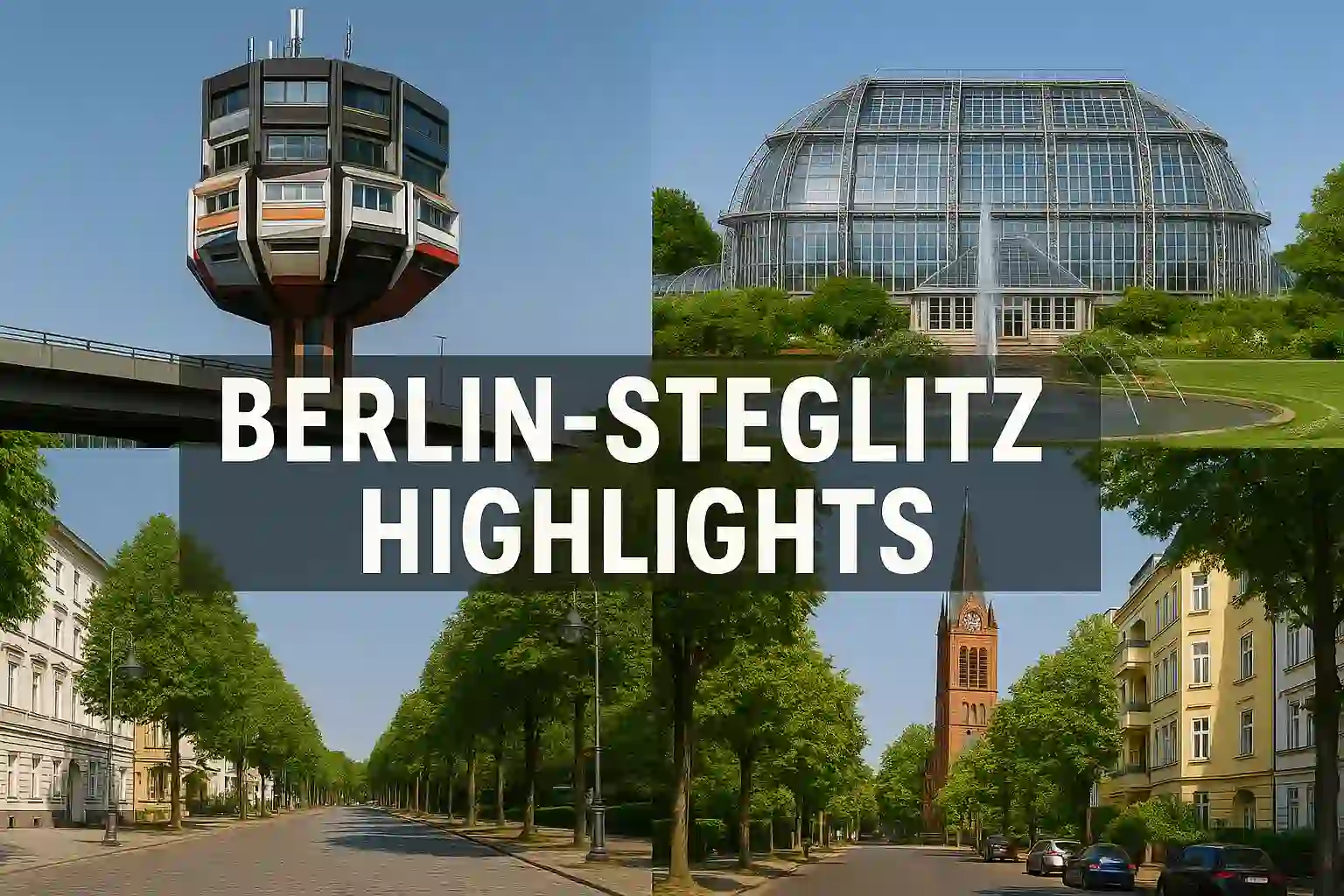
Schlossstraße – A Long Boulevard Full of Life
Schlossstraße is the main artery of Steglitz and one of Berlin's longest shopping streets. It stretches for more than a kilometre, lined with shops, department stores, restaurants and cafés. Visitors appreciate the easy atmosphere here: no overwhelming crowds, but enough activity to feel lively.
The boulevard shows two sides of Steglitz. On one hand, modern buildings with glass facades and international brands. On the other, small local shops, classic bakeries and occasional hints of pre-war architecture. It's a pleasant place for a slow walk, a quick lunch or an afternoon of browsing. For many Berliners, Schlossstraße remains a favourite shopping destination because it feels accessible and local.
Schlosspark Theater – Culture with Historic Charm
A short walk from Schlossstraße leads to the Schlosspark Theater, one of Berlin's traditional theatres. Founded in the 19th century, it survived war, reconstruction and cultural transitions, yet has kept its intimate atmosphere. Today, the theatre presents a mix of classic plays, contemporary productions and stage events that attract a loyal audience.
Travellers who appreciate culture will find the theatre's ambiance particularly charming: warm lights, quiet hallways, and a sense of stepping into another time. Even if you do not attend a performance, the building and the surrounding park give you a glimpse of Steglitz' cultural roots. Check their program online for evening shows and matinee performances.
Bierpinsel – A Futuristic Landmark from the 1970s
Among Steglitz' most famous sights stands an unmistakable structure: the Bierpinsel. Built in the 1970s, this colourful, futuristic tower is a bold example of Pop architecture. With its elevated shape and bright design, it looks more like a sci-fi station than a typical Berlin building.
The Bierpinsel has had different uses over time, including restaurants and cultural venues. While not always open to the public, it remains one of the most photographed landmarks in the district. Architecture lovers and photographers appreciate its unusual form, and its presence adds a striking contrast to the surrounding neighbourhood. It stands as a proud reminder of Berlin's experimental architectural era.
Botanischer Garten Berlin – One of Europe's Great Botanical Gardens
The Botanical Garden in Steglitz is one of the most beautiful green spaces in Europe. Covering more than 40 hectares, it includes thousands of plant species, landscaped gardens, ponds and several iconic greenhouses. Visitors come here to enjoy a calm world of nature right in the city.
The Victoriahaus, tropical halls and alpine gardens are some of the highlights. Each area has its own atmosphere, from humid rainforest climates to quiet Mediterranean landscapes. In spring and summer, the outdoor gardens are in full bloom; in winter, the greenhouses offer warmth and colour during the cold season.
Whether you love plants, photography or peaceful walks, the Botanical Garden is one of Steglitz' absolute must-sees. It is also one of the most relaxing destinations in Berlin. The garden typically opens at 9 AM, with closing times varying by season — check their official website before your visit.
Schlosspark Steglitz – A Historic Garden Oasis
Next to the theatre lies Schlosspark Steglitz, a baroque-style garden with elegant pathways, sculptures and open lawns. The park is smaller than the Botanical Garden but has its own charm. It is a lovely place for an afternoon stroll, a quiet picnic, or some time to sit among old trees and historic surroundings.
The park feels like a calm retreat from the movement of Schlossstraße. Its structured layout, gentle fountains and decorative elements create a timeless atmosphere. Travellers who enjoy classic gardens will find it a peaceful spot to slow down between city explorations. On sunny weekends, locals bring blankets and books, settling under the shade of centuries-old trees.
Steglitz Museum – Understanding Local History
The Steglitz Museum (Bezirksmuseum Steglitz) offers insights into the district's historical development. Through documents, photographs and exhibitions, visitors learn how Steglitz evolved from a village to a key part of Berlin's southwest.
While small, the museum is ideal for travellers who enjoy understanding the deeper context of the places they visit. It also highlights architectural changes, local industries and the everyday life of past generations. For those who appreciate quiet, informative spaces, it is a worthwhile stop that adds depth to your Steglitz experience.
Friedenau – Art, Literature and Elegant Streets
Although administratively part of Tempelhof-Schöneberg, Friedenau is often combined with Steglitz in travel guides due to its proximity and similar character. The neighbourhood is full of early 20th-century architecture, tree-lined streets and residential squares.
Friedenau has long been associated with writers and artists. Nobel laureate Günter Grass lived here, as did other prominent intellectuals. Today, the area retains a creative, calm mood. It's perfect for wandering, discovering cafés, and enjoying the architectural beauty of residential Berlin.
Friedenau highlights to explore:
- Café Bilderbuch – Cozy neighborhood café known for excellent coffee and homemade cakes (Bundesallee 85)
- Bücherbogen – Independent bookshop specializing in art, architecture and design books (Rheinstraße 65)
- Breslauer Platz – Charming residential square surrounded by Jugendstil buildings and small galleries
- Literaturhaus Günter Grass – Small memorial and exhibition space dedicated to the writer's legacy
If you want to include a place that shows a softer, literary side of the city, Friedenau is a great choice. Its quiet streets offer a glimpse into the Berlin where intellectuals once gathered in corner cafés to discuss art and politics.
Dahlem and the University Area – A Quiet Academic Neighbourhood
Not far from Steglitz lies Dahlem, known for its museums, research institutes and university atmosphere. Historically, it housed the famous Ethnological and Asian Art collections, and although many exhibitions have moved, Dahlem still retains an academic charm.
Visitors enjoy the quiet streets, green spaces and old villas that define the neighbourhood. Combining Steglitz with Dahlem makes for a rich day trip: shopping and parks in Steglitz, followed by museums and academic ambience in Dahlem. The Dahlem Museums complex continues to host rotating exhibitions worth exploring.
Local Food and Coffee Spots
Steglitz offers a mix of classic German restaurants, light cafés and international cuisine. Around Schlossstraße you'll find everything from bakeries to noodle bars to cosy lunch spots. Closer to the parks, smaller cafés provide a quiet break between walks.
Food recommendations in Steglitz:
- Café im Botanischen Garten – Perfect for coffee and light lunch with garden views; their seasonal soups and quiches are excellent
- Bäckerei Siebert – Traditional German bakery on Schlossstraße serving authentic Berliner Pfannkuchen and fresh pretzels since 1906
- Trattoria Toscana – Family-run Italian restaurant near Rathaus Steglitz with homemade pasta and warm atmosphere
- Saigon Restaurant – Authentic Vietnamese cuisine offering flavorful pho and fresh summer rolls (Albrechtstraße 130)
Travellers who enjoy relaxed neighbourhood dining will appreciate Steglitz' food scene: not overly trendy, not too crowded, just simple and enjoyable. For cake lovers, local bakeries often surprise with traditional recipes and friendly service that makes you feel like a regular even on your first visit.
Practical Tips and How to Get Around
Getting There:
Steglitz is easy to reach via U-Bahn line U9 (stops at Schlossstraße and Rathaus Steglitz), while S-Bahn line S1 connects the district with other parts of the city. From Alexanderplatz, the journey takes about 25-30 minutes. Many highlights are within walking distance of the U9 stations, making it convenient for day trips.
Best Time to Visit:
The best seasons for visiting Steglitz are spring to autumn (April to October). The Botanical Garden and Schlosspark look especially beautiful during warm months when flowers bloom and outdoor cafés open their terraces. Winter can be quiet, but the greenhouses, theatres and indoor attractions still offer plenty to do.
Local Atmosphere:
Safety is generally excellent, and the district has a comfortable, residential atmosphere. Good walking shoes and a relaxed pace are all you need to explore the area. Most shops and cafés are open daily, though some smaller establishments close on Sundays.
Duration:
Plan at least half a day for Steglitz to enjoy the Botanical Garden, Schlosspark and Schlossstraße. A full day allows you to include Friedenau and Dahlem, creating a comprehensive southwest Berlin experience.
Why Steglitz Is Worth a Visit
Steglitz offers a side of Berlin that feels calm, elegant and rooted in history. From the futuristic Bierpinsel to the historic Schlosspark, from botanical wonders to lively boulevard life, the district brings together a range of experiences in a harmonious way.
Travellers looking for quieter neighbourhoods, cultural touches and beautiful green spaces will find Steglitz both charming and refreshing. It's a great complement to Berlin's more famous districts and a reminder that the city's richness lies far beyond its central highlights. Here, Berlin breathes more slowly, inviting you to do the same.
