
Berlin Reinickendorf – A Green, Quiet Escape in the North
A District That Breathes Green
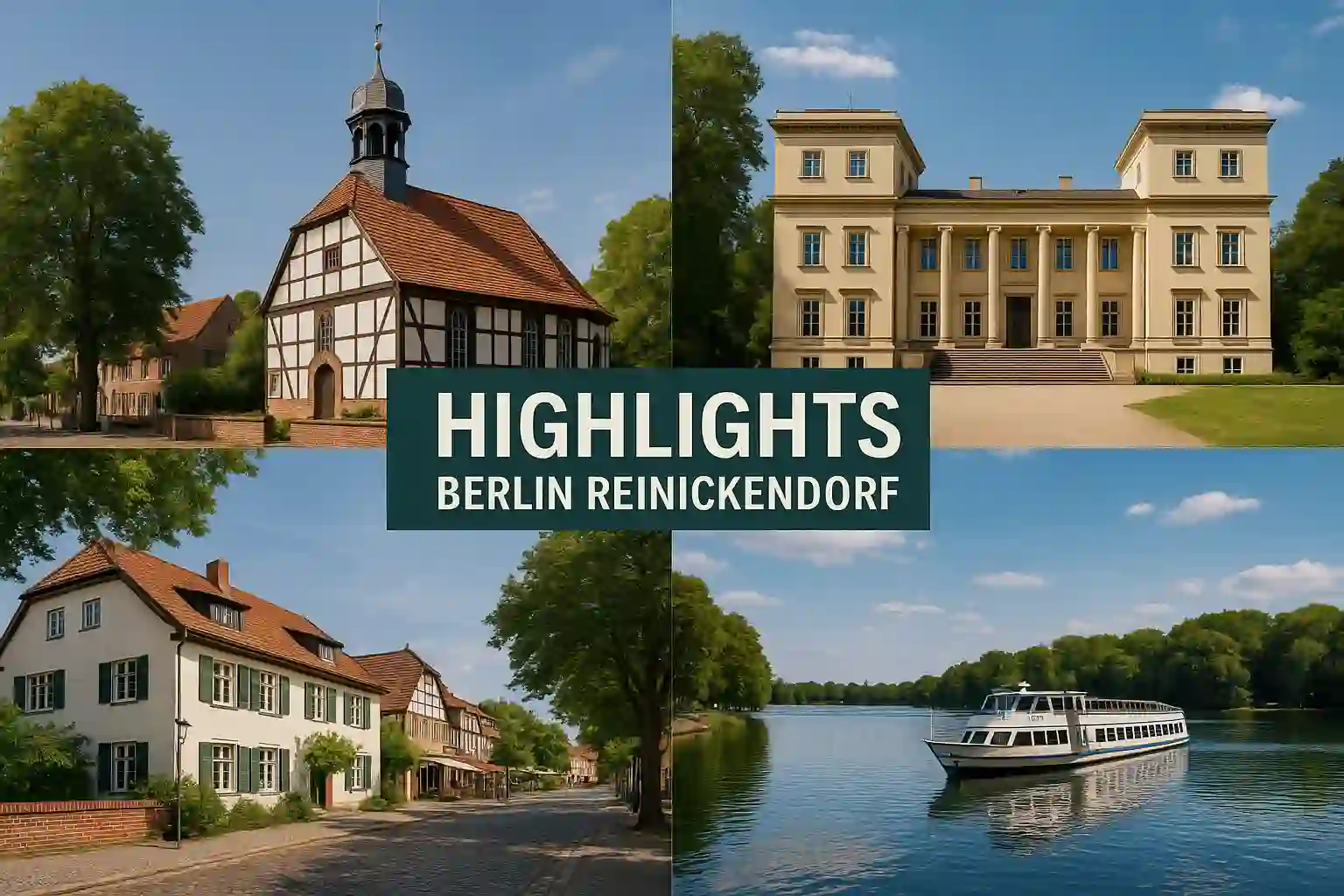
Reinickendorf stretches across the northern edge of Berlin, where the city slowly dissolves into countryside. Unlike the dense urban fabric of Kreuzberg or Mitte, this district prioritizes space, nature, and tranquility. It's home to some of Berlin's cleanest lakes, most authentic villages, and largest forest areas — a side of the capital that surprises even long-time residents.
From the moment you arrive, the atmosphere shifts. The streets widen, the buildings shrink, and suddenly you're surrounded by trees, water, and open sky. For travelers who want to experience Berlin beyond museums and monuments, Reinickendorf offers something rare: genuine calm without leaving the city limits.
Lübars Village – A Piece of Rural Berlin
Lübars is one of the last genuine rural villages within Berlin's city limits, and it feels completely different from the typical urban landscape. With its old farmhouses, narrow streets, horses in the fields and a quiet village pond, Lübars preserves a sense of Berlin's agricultural past. Walking through this village, you might forget you're still technically in a metropolis of millions.
I spent a Sunday morning here last autumn, watching mist rise from the pond while a farmer led his horse through the gate. The area is perfect for photography: wooden barns, old brick houses, and the soft hills around the village create a unique backdrop. On weekends, cyclists and walkers explore the trails that connect Lübars with nearby meadows and nature reserves. If you want to experience Berlin the way locals do — slowly, authentically, without filters — this is one of the calmest corners of the city.
Tegeler See – Water, Boats and Beautiful Views
Tegeler See is the heart of Reinickendorf and one of Berlin's most scenic lakes. With wide open water, forested shorelines and a relaxed atmosphere, it attracts people all year round. The lake stretches over six kilometers and offers everything from peaceful morning walks to afternoon boat tours that glide past small islands and historic buildings.
Visitors can enjoy scheduled boat tours, take peaceful walks along the promenade or simply sit by the water and watch the sailboats pass. In summer, Tegeler See becomes a favourite spot for locals looking to cool down, with small beaches tucked along the eastern shore. Winter brings quiet mornings with soft light across the lake and frost-covered reeds — a photographer's dream. No matter the season, this is one of the most enjoyable natural landscapes in northern Berlin.
Alt-Tegel Promenade – Waterfront Life at Its Best
Just next to the lake lies Alt-Tegel, a small neighbourhood with cafés, ice-cream shops, restaurants and the famous Greenwich Promenade. This area delivers exactly what many travellers look for: a lively but relaxed atmosphere, pleasant views, and an easy place to spend an afternoon without any agenda.
Families love the open spaces, couples enjoy sunset walks by the water, and solo travellers get a taste of local life without the rush of the city centre. Boats depart from the promenade for tours around the lake, and the path continues along the lakeshore for longer walks. There's a timeless charm here — old-fashioned benches, chestnut trees, and the quiet rhythm of everyday Berlin life. Alt-Tegel feels like a small coastal town that somehow ended up in the capital.
Schloss Tegel – The Humboldt Brothers' Historic Home
Schloss Tegel, also known as Humboldt Palace, is one of the district's most culturally important landmarks. This was the childhood home of Alexander and Wilhelm von Humboldt — two of Germany's most influential scholars. Alexander explored South America and shaped modern geography, while Wilhelm reformed education and founded Berlin's university.
Surrounded by a quiet forest and a landscaped park, the palace offers a look into Berlin's intellectual history. While the palace itself is not always open to the public (it remains privately owned by the Humboldt family), the surrounding park can be explored freely. Visitors appreciate the elegant neoclassical architecture, peaceful pathways beneath ancient oaks, and the atmosphere of a place that once shaped the minds of two great thinkers. It's one of the most quietly impressive sites in the district and adds cultural depth to any visit.
Flughafensee – Berlin's Clearest Lake
Flughafensee is regularly praised for having some of the clearest water in Berlin. Surrounded by forest and reachable via sandy paths, the lake feels more like a hidden natural spot than an urban area. The name comes from the nearby former Tegel Airport, but since the airport closed in 2020, the area has become even quieter.
It's popular with swimmers in summer — the water quality is exceptional, and the beach areas remain refreshingly uncommercialized. Walkers enjoy the cooler months when the paths around the lake are empty except for joggers and dog owners. The northern and eastern shores offer the quietest places, while the central part of the lake has open sitting areas with direct views across the water. It's one of the most natural and unpolished lakes in the city — ideal for those who enjoy untouched landscapes and prefer their nature without facilities.
Steinbergpark – Waterfalls and Woodland Paths
Steinbergpark is one of Berlin's less-known parks, but it feels almost dramatic compared to many other green spaces in the city. The park stretches across small cliffs, forest paths and a man-made waterfall that creates a quiet, natural ambiance. Water cascades over rocks into a small pond, surrounded by ferns and mossy stones.
Travellers come here for morning walks, picnics, or simply to enjoy the greenery away from crowds. In autumn, the park turns into a colourful landscape with golden beech trees and red maples; in summer, the shade provides relief on hot days. There are benches hidden along the paths, perfect for reading or sketching. Steinbergpark is perfect for visitors looking to combine nature with peaceful scenery away from the typical tourist routes.
Borsigwerke and Hallen Am Borsigturm – Industrial Heritage Meets Lifestyle
Reinickendorf's industrial past becomes visible at the Borsigwerke, an impressive red-brick complex that once produced locomotives for the world. In the late 19th and early 20th centuries, thousands of workers built steam engines here that traveled from Berlin to Africa, Asia, and South America. Today, the area has been transformed into a combination of historic architecture, shops, cafés and a cinema.
The Hallen Am Borsigturm — a shopping arcade built inside the former industrial halls — blends old structures with modern elements. Visitors who enjoy architecture, photography or industrial heritage will find plenty to explore here. The contrast between heavy brick walls and the lively atmosphere inside makes this one of the more unexpected highlights of the district. It's a reminder that Berlin constantly reinvents itself, turning factories into culture without erasing their stories.
Humboldt Library – Modern Architecture and Calm Atmosphere
For travellers who appreciate modern architecture, the Humboldt Library is a pleasant surprise. With its clean lines, bright interior and open design, it functions as a cultural centre in Reinickendorf. People come here to read, study or simply take a quiet break from the city.
The building itself is worth seeing — floor-to-ceiling windows, minimalist furniture, and an airy atrium that invites you to slow down. Even if you don't plan to spend time inside, the library represents how Reinickendorf balances tradition with contemporary culture. It's a small highlight on the way between Alt-Tegel and other neighbourhoods and offers a calm place to recharge before continuing your exploration.
Local Food and Hidden Spots
Reinickendorf has a surprisingly rich local food scene, with traditional German restaurants, cosy cafés and neighbourhood bakeries that have served the same families for generations. Around Alt-Tegel, visitors find places with classic dishes such as schnitzel, regional fish from Brandenburg lakes, and hearty soups that warm you on cold days.
Local favorites worth trying:
- Dorfkrug Lübars – Traditional German restaurant in the heart of Lübars village, serving rustic meals in an authentic rural setting
- Seeperle – Lakeside café at Tegeler See with excellent cakes, breakfast options, and direct water views
- Greenwich Promenade cafés – Multiple ice-cream shops and bistros perfect for afternoon breaks by the water
- Local bakeries – Family-run Bäckereien scattered throughout the district offering fresh Brötchen and regional pastries
Lübars offers more rustic options in an authentic village setting, while the areas around Borsigwerke include modern cafés and easy lunch spots. Travellers who enjoy local flavours should take time to explore smaller streets: many of the most charming places do not appear on tourist maps. Reinickendorf feels local, authentic and relaxed, making it easy to discover unexpected favourites.
Practical Tips for Your Visit
Getting There:
Reinickendorf is well-connected to the rest of Berlin. The U6 brings travellers directly to Alt-Tegel, while S-Bahn lines such as the S25 and S26 connect the eastern parts of the district. Buses cover most other neighbourhoods, making it easy to move between lakes, parks and villages. From central Berlin it takes about 30 minutes to reach the main areas.
Best Time to Visit:
The best time to explore Reinickendorf is spring to autumn (April to October), when the lakes and parks show their full beauty. Summer brings swimming at Flughafensee and boat tours on Tegeler See. Autumn transforms the forests into colorful landscapes. Even in winter, the district has a quiet charm, with empty paths and calm waterfronts.
Local Vibe:
More residential than touristic — this is real Berlin life. Comfortable shoes, some time for walking and a relaxed approach are all you need. Safety is generally unproblematic, and the district has a calm, local atmosphere. Many shops close on Sundays except in Alt-Tegel.
Duration:
A full day allows you to visit Lübars village, walk around Tegeler See, enjoy lunch in Alt-Tegel, and explore either Flughafensee or Steinbergpark. Nature lovers might want two days to fully appreciate the lakes and forests. Combine Reinickendorf with neighboring Wedding or Spandau for an extended northern Berlin experience.
Why Reinickendorf Is Worth Visiting
Reinickendorf offers a side of Berlin that many travellers never discover: green, relaxed, historic and surprisingly scenic. From rural Lübars to the blue water of Tegeler See, from industrial heritage to modern cultural spaces, the district shows a different face of the German capital.
For visitors who enjoy nature, quiet places and authentic neighbourhoods, Reinickendorf is one of the best areas to explore. It brings together open landscapes, cultural depth and a friendly local vibe — a perfect match for anyone looking to see more of Berlin beyond the classic highlights. This is where the city remembers its roots: farms, forests, and the simple pleasure of walking beside clean water under open sky.
